Discover comprehensive product guides covering RTLS systems, IoT sensors, RFID solutions, and connected tracking technologies. Learn how each product works, what features to compare, and how to match solutions to your operational needs. Stay informed and make confident decisions with expert insights, tips, and technology breakdowns.
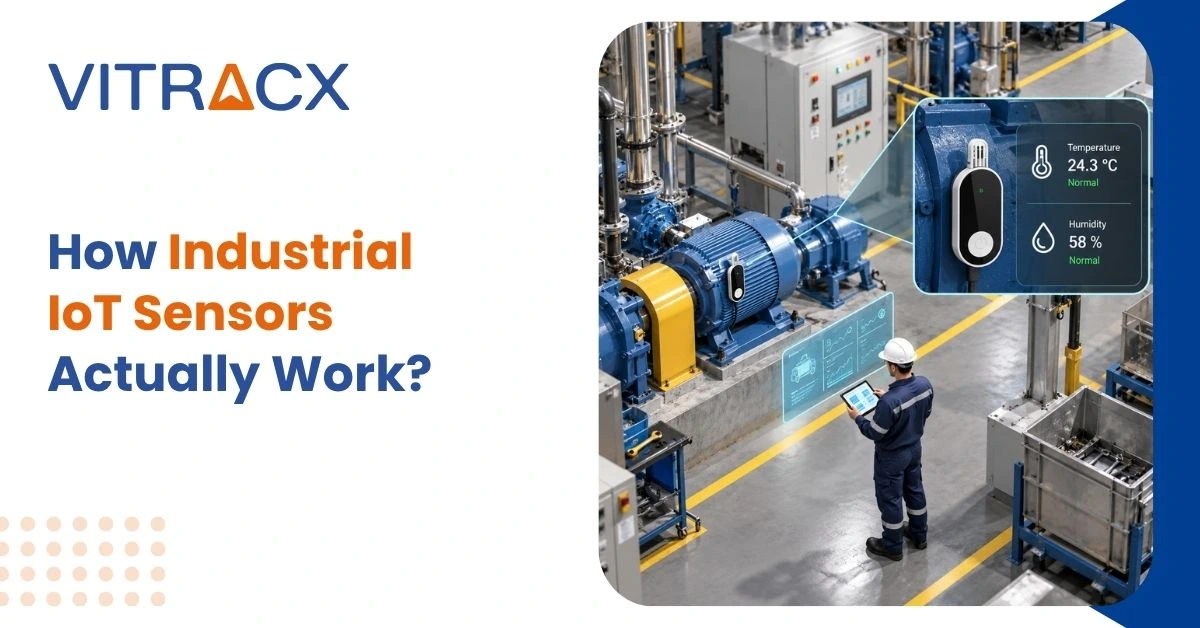
Industrial facilities depend on accurate information to manage safety, environmental conditions, equipment activity, and daily operations. However, manual inspections cannot always provide continuous visibility. IoT Sensors help bridge this gap by collecting real-time data from physical environments and connecting it…
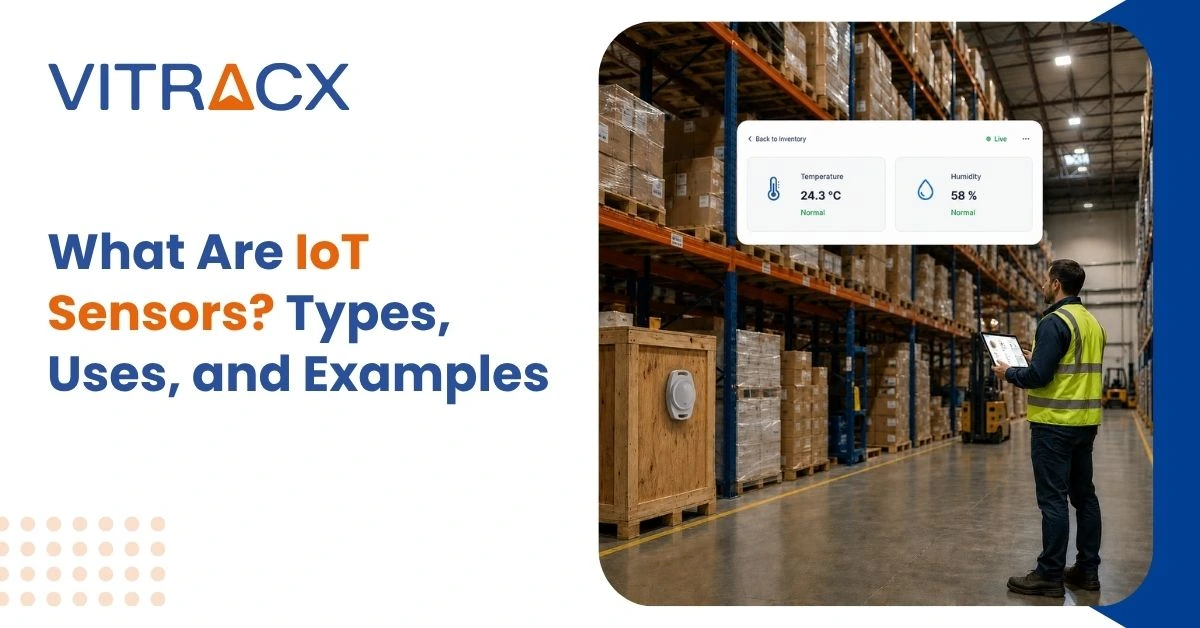
Modern industrial and commercial environments need continuous visibility into physical conditions, equipment activity, and operational events. IoT Sensors provide this visibility by detecting changes in the surrounding environment and collecting real-time data that can be used for monitoring, alerts, automation,…
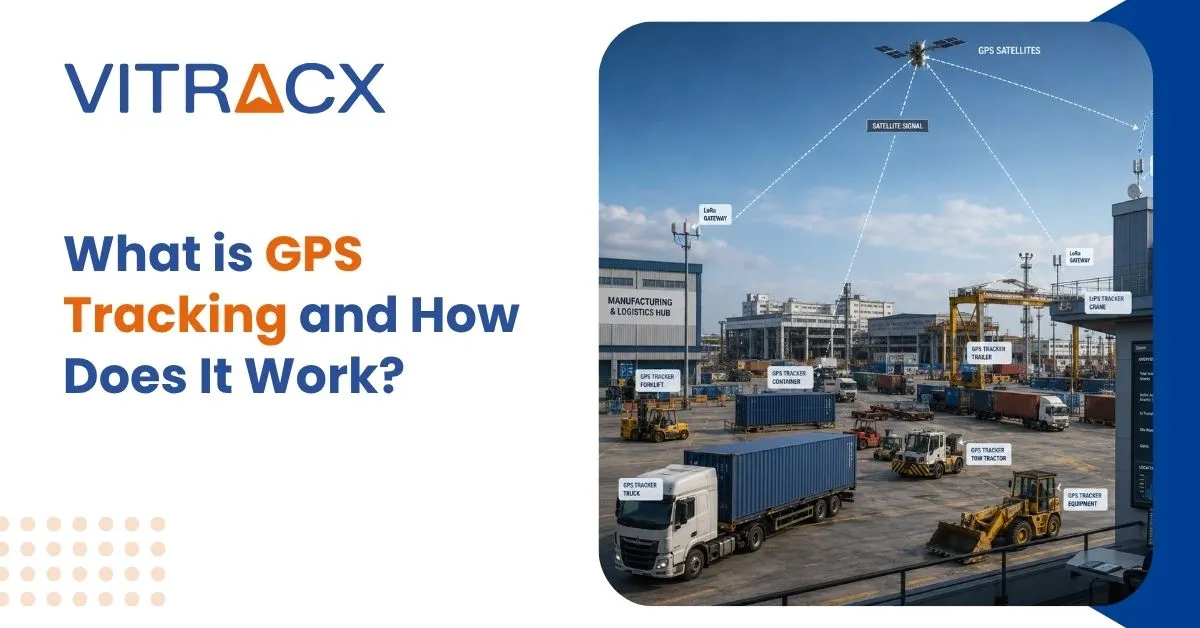
Managing outdoor assets across manufacturing plants, logistics hubs, industrial yards, and transportation routes requires continuous location visibility. Without accurate tracking, organizations often face delays in locating vehicles, inefficient yard operations, underutilized equipment, and limited control over asset movement. Manual monitoring…
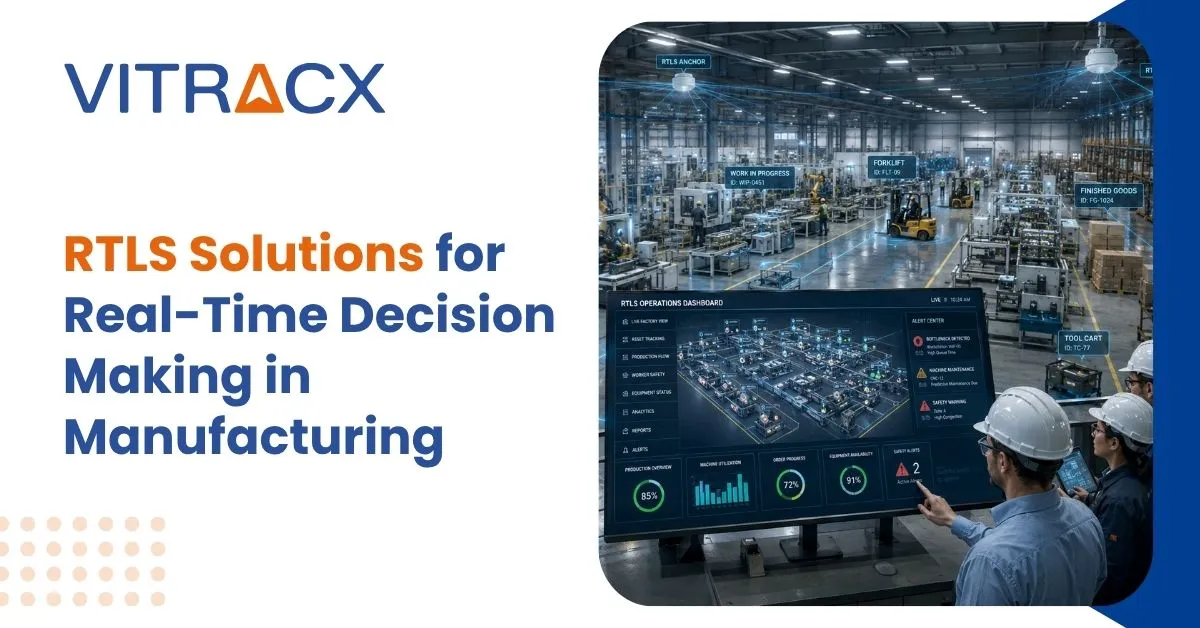
Manufacturing success depends on making the right decisions at the right time. However, many production facilities still rely on manual reporting, delayed updates, and fragmented information, making it difficult to respond quickly to changing operational conditions. Without accurate real-time data,…
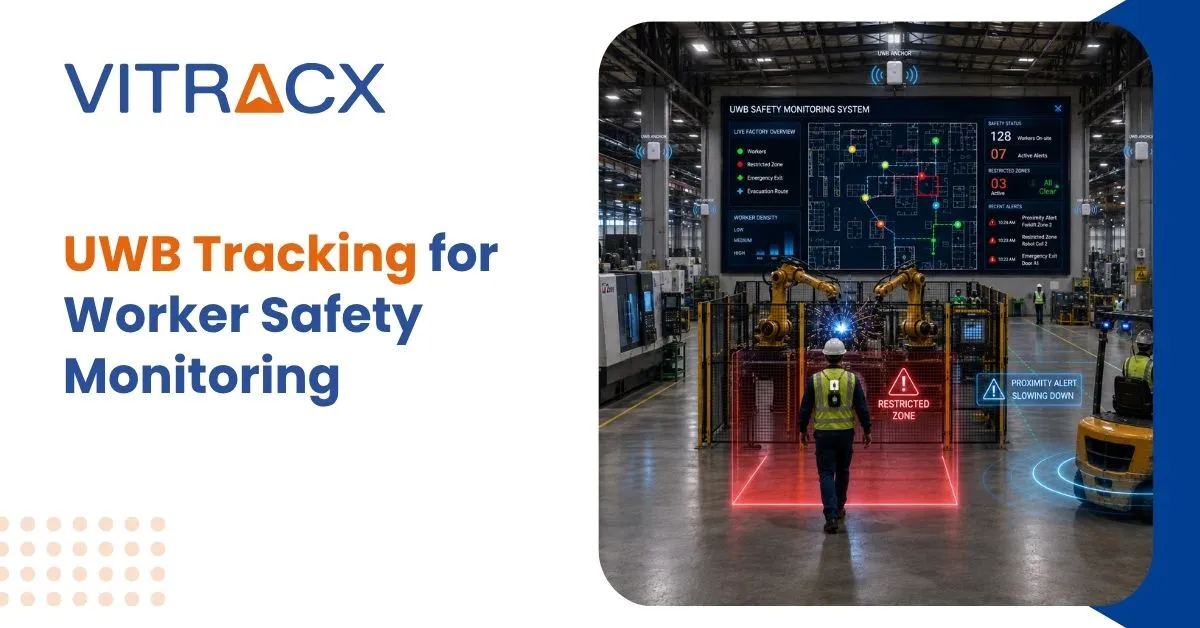
Ensuring worker safety is one of the highest priorities in industrial environments where employees operate alongside heavy machinery, automated production lines, overhead cranes, forklifts, and other moving equipment. While conventional safety measures such as PPE, warning signs, and manual supervision…
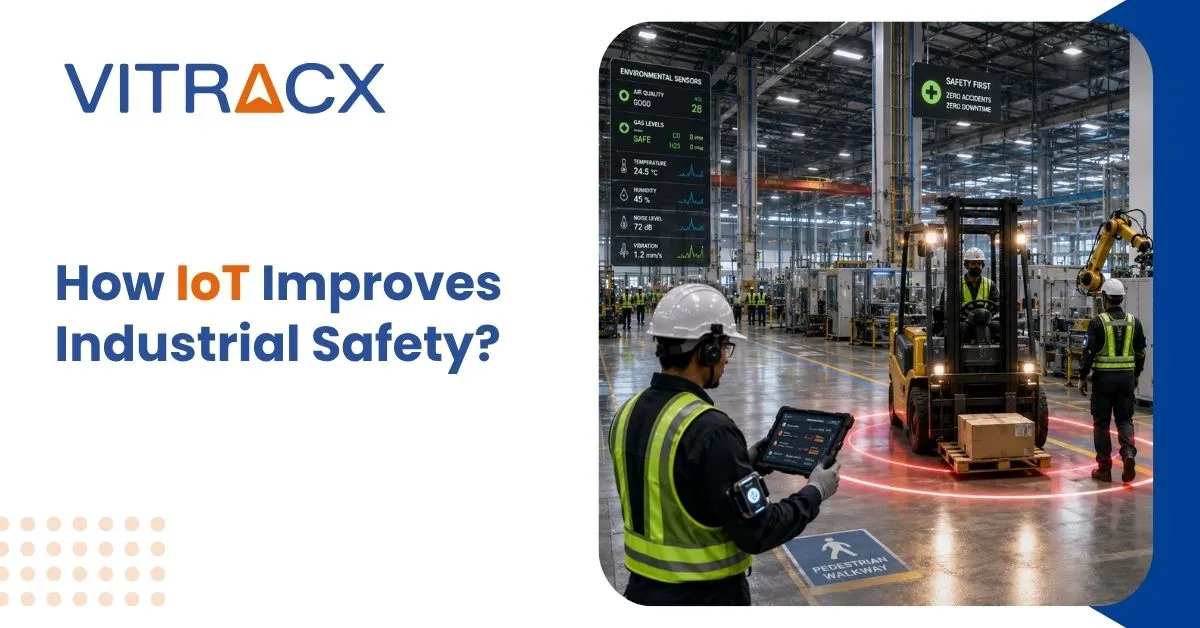
Industrial safety is no longer limited to protective equipment, periodic inspections, and manual safety protocols. Modern manufacturing plants, warehouses, logistics hubs, and industrial facilities operate around the clock, making continuous monitoring essential for preventing accidents and ensuring operational continuity. Delayed…
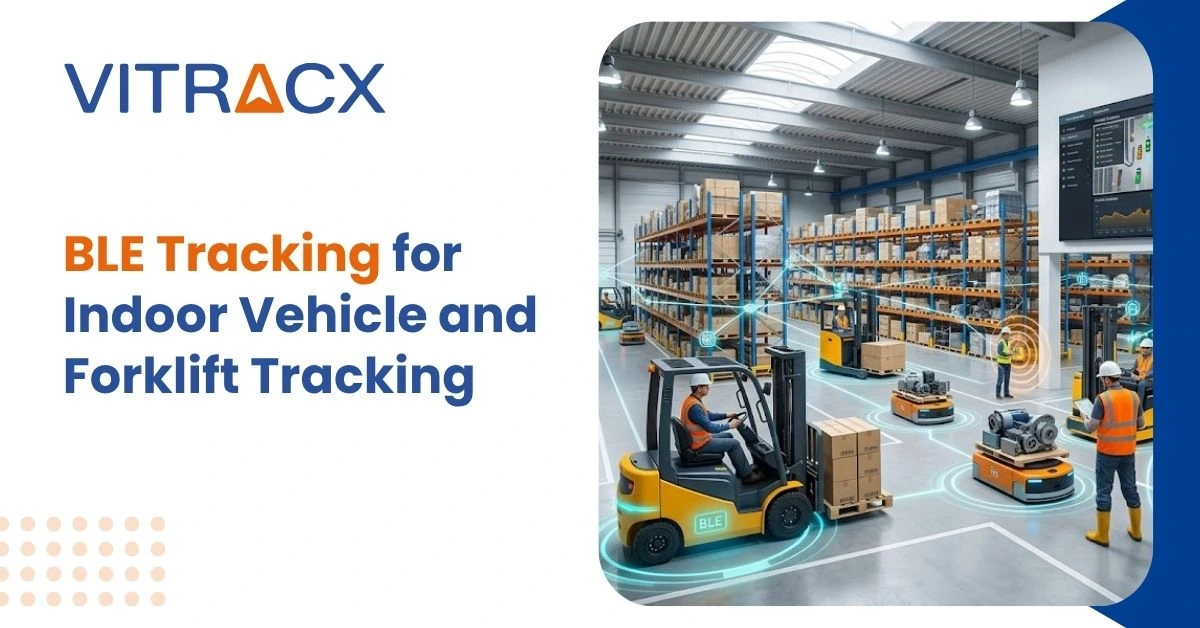
Efficient movement of forklifts, tow trucks, pallet movers, and other industrial vehicles is essential for maintaining productivity across manufacturing plants, warehouses, and logistics facilities. However, limited visibility into vehicle locations often leads to unnecessary delays, longer material movement cycles, increased…
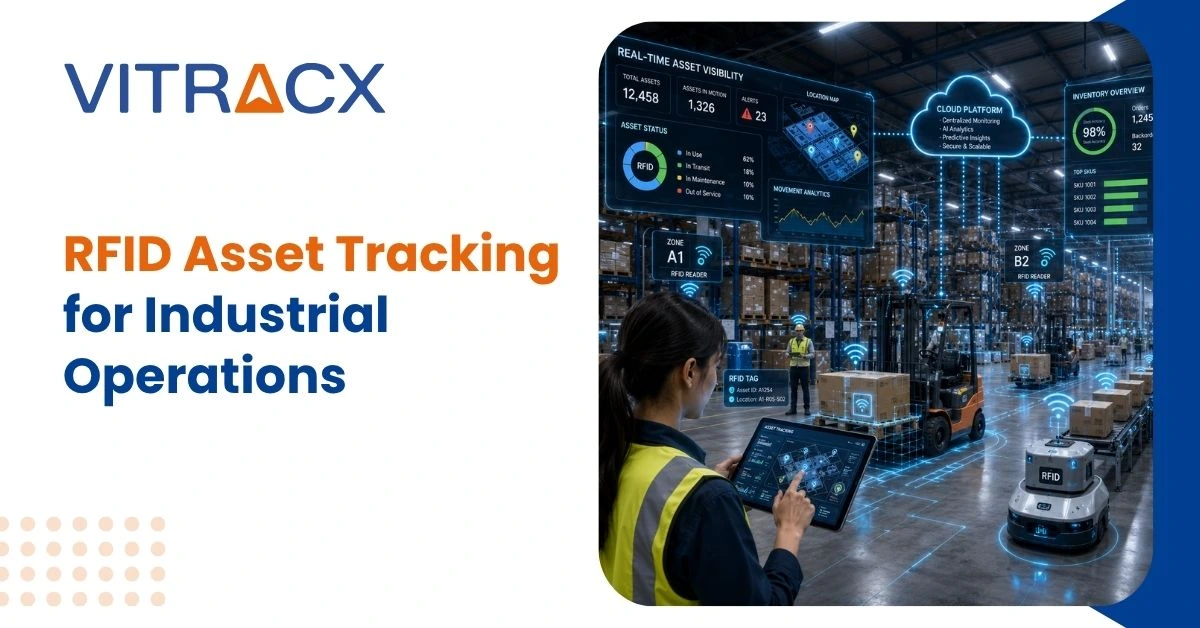
In today's competitive industrial landscape, maintaining complete visibility of valuable assets is essential for achieving operational efficiency, reducing losses, and supporting digital transformation initiatives. Many organizations still rely on manual asset tracking methods, spreadsheets, or barcode systems, which often lead…
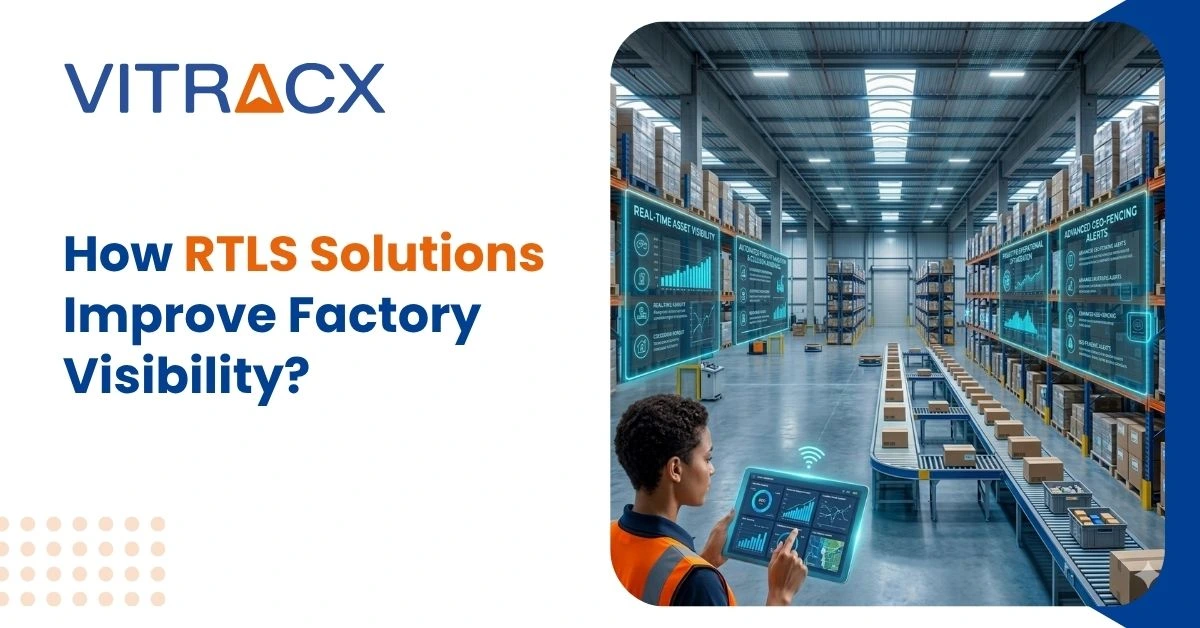
Factory visibility has become a critical requirement for manufacturers aiming to improve productivity, reduce operational delays, and support Industry 4.0 initiatives. Despite advancements in automation, many factories still struggle with locating assets, tracking work-in-progress (WIP), monitoring equipment utilization, and maintaining…
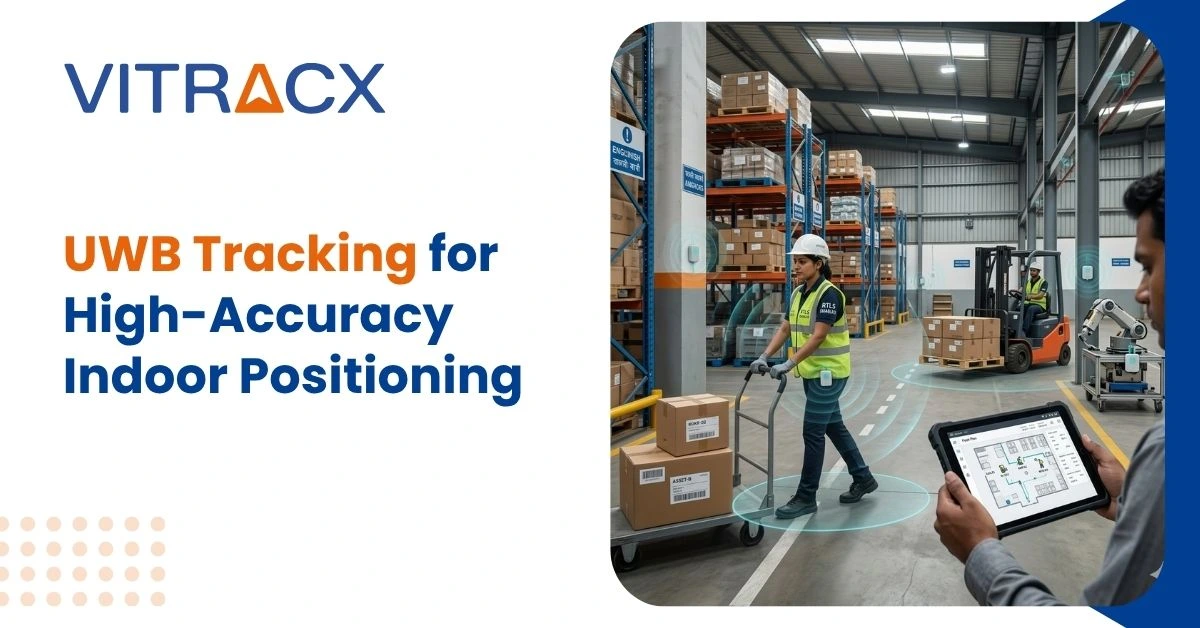
Modern industrial environments demand more than basic location visibility. Manufacturing plants, warehouses, assembly lines, and high-security operational zones require precise, real-time positioning to improve productivity, strengthen safety, and support faster decisions. This is where UWB Tracking plays a transformative role…