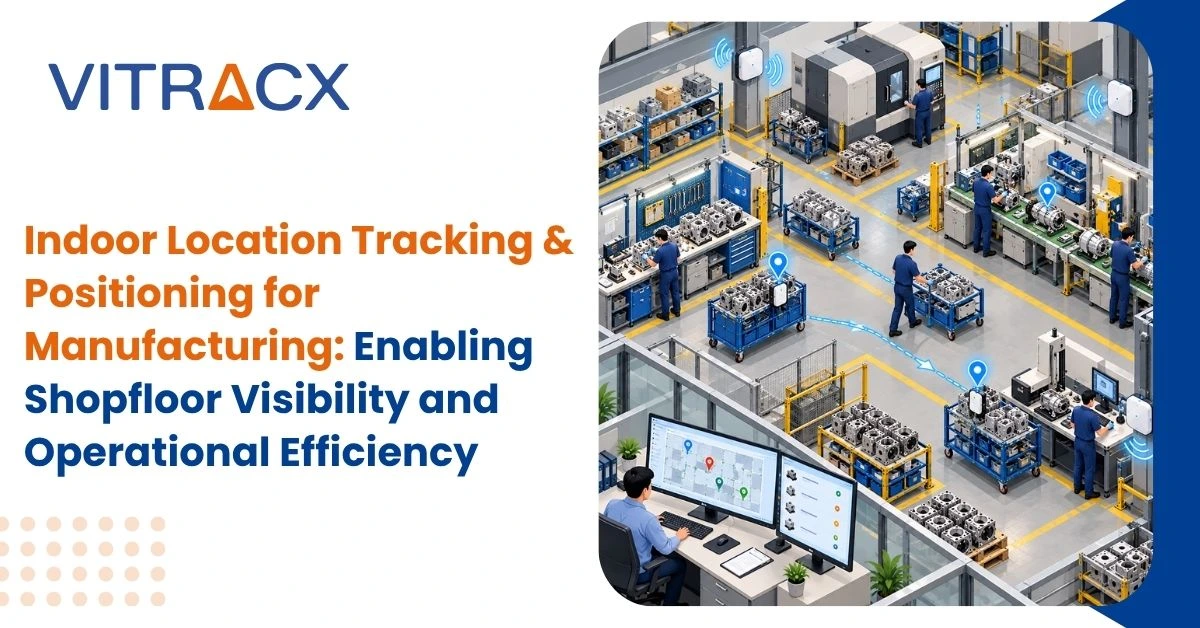
Manufacturing shopfloors involve constant movement between workstations, assembly lines, inspection areas, and temporary storage zones. When operators cannot locate equipment or identify where work-in-progress (WIP) materials are waiting, production activities can slow down and resources may be poorly distributed. UWB Tracking helps manufacturers improve visibility by providing precise, real-time location information for tagged assets and materials. When this data is available through a connected tracking platform, teams can understand movement across the facility, locate resources faster, and investigate issues affecting shopfloor efficiency.
How Indoor Positioning Works on Manufacturing Shopfloors?
Indoor positioning uses tags, anchors, and software to determine the location of selected assets inside a facility. In a UWB-based setup, tags attached to equipment, trolleys, or WIP materials transmit very short radio pulses that are received by anchors installed around the shopfloor.
The positioning engine calculates tag locations using techniques such as Time of Flight (ToF) or Time Difference of Arrival (TDoA). The resulting information can be displayed on a digital floor map, allowing operators and production managers to see where tagged resources are located.
Unlike manual checks or periodic status updates, UWB Tracking provides location data that can help teams identify the current position of tagged items and understand how they move between designated production areas.
Improving Shopfloor Visibility Across Production Areas
Manufacturing teams need to know where resources are located to coordinate production activities effectively. A connected real-time location platform using UWB Tracking can help track:
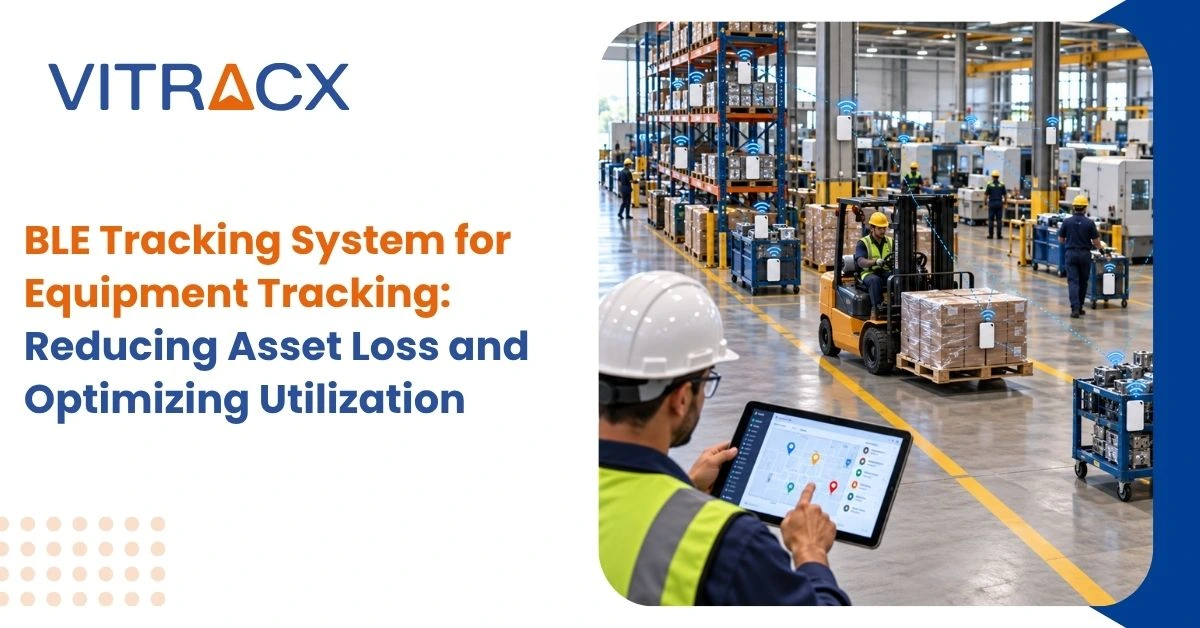
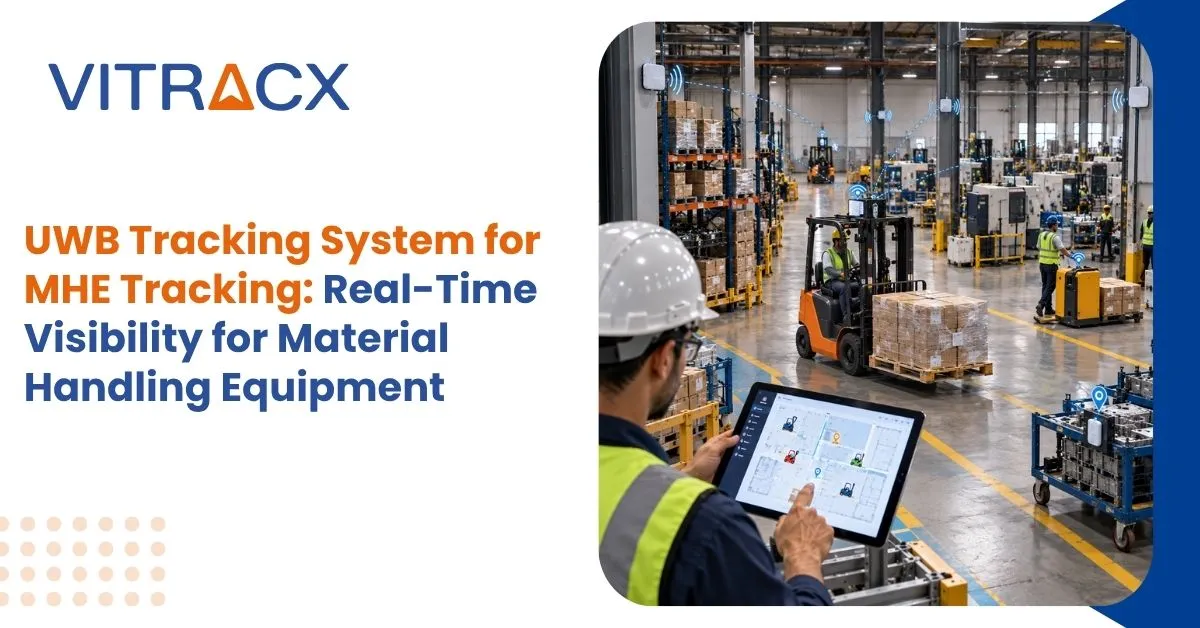
- Production equipment: Locate tools, trolleys, forklifts, and other mobile resources required at different workstations.
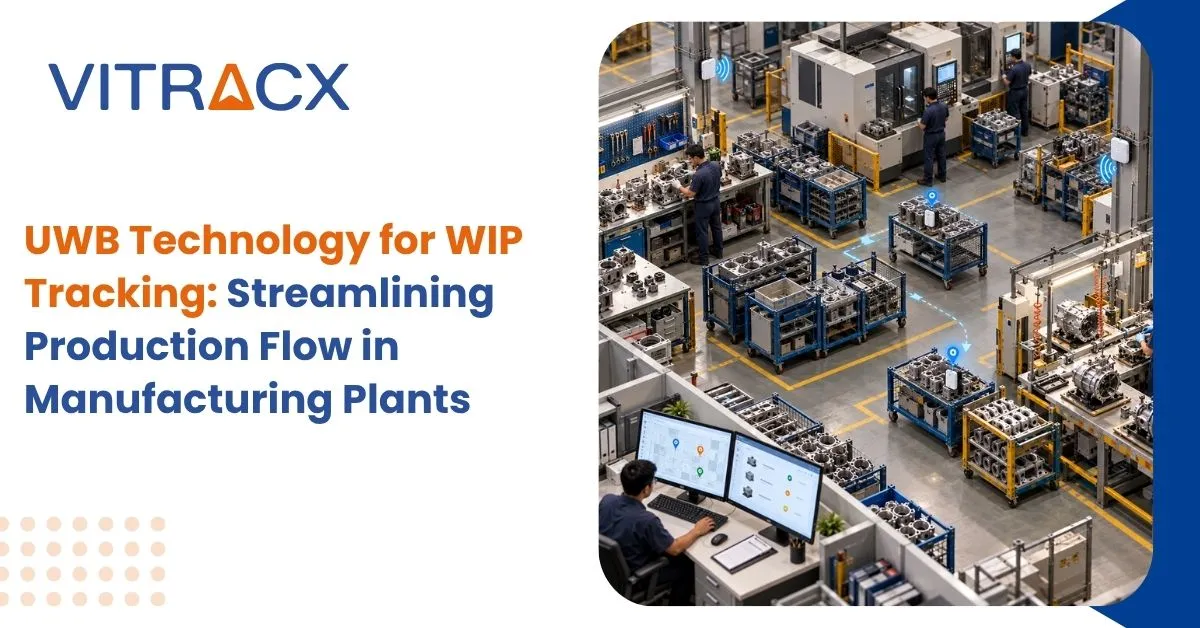
- WIP materials: Find tagged semi-finished products, bins, and pallets as they move between processing, assembly, inspection, and storage areas.
- Material movement: Review movement history to understand how resources travel across production zones.
- Zone activity: Configure alerts for designated areas to support operational awareness and monitoring.
For example, when an assembly station requires a particular trolley, an operator can check its reported location instead of searching multiple areas. This can reduce unnecessary searching and help production teams coordinate material handling more effectively.
Supporting Operational Efficiency and Bottleneck Investigation
Delays can occur when materials wait between production stages, equipment remains in an inconvenient location, or resources are difficult to find. However, identifying these situations requires more than knowing that a delay has occurred.
With UWB Tracking, managers can review asset locations and movement history to investigate where materials are accumulating or resources are spending time. Configured dwell-time alerts can highlight tagged items that remain in designated zones longer than expected.
For instance, if several tagged WIP items remain near an inspection area, production managers can investigate whether inspection capacity, scheduling, or another operational issue is contributing to the delay. Location information helps identify where to investigate, while production records and operational knowledge help explain why the delay occurred.
This visibility can support better resource allocation, more coordinated material movement, and informed decisions about shopfloor processes. Actual efficiency improvements depend on how teams use the information and address the issues identified.
Connecting Location Data with Manufacturing Systems
Indoor positioning becomes more useful when location information is connected with existing manufacturing systems. A tracking platform can integrate with Manufacturing Execution Systems (MES), Enterprise Resource Planning (ERP), and Warehouse Management Systems (WMS).
- MES: Relate location information to production-stage progress and manufacturing activities.
- ERP: Connect asset or material visibility with work orders and production records.
- WMS: Support inventory movement visibility and material replenishment coordination.
While UWB Tracking provides positioning information, the tracking platform and connected systems help manufacturers use that data within operational workflows. This creates a clearer view of resource locations alongside relevant production and inventory information.