What Happens When Your Production Floor Operates Without Visibility?
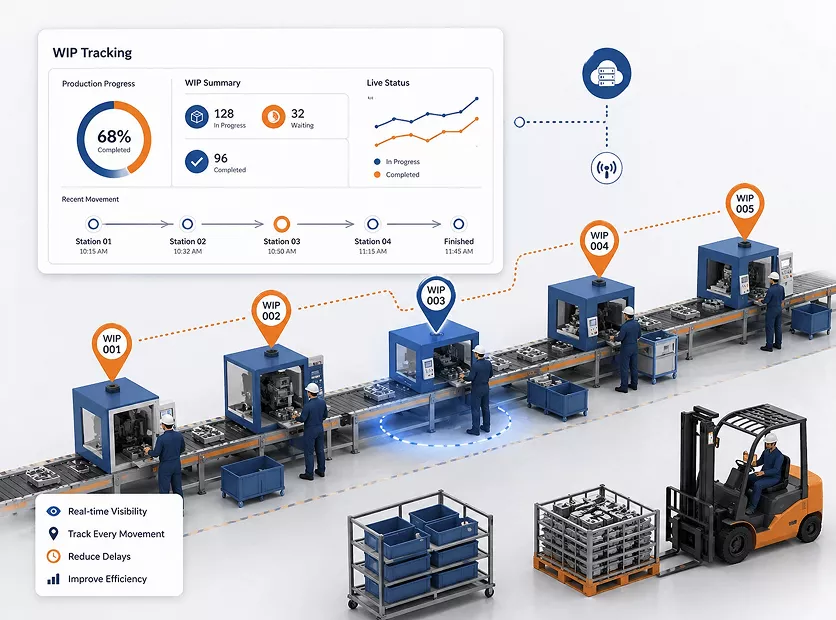
What You Can Track With Vitracx?

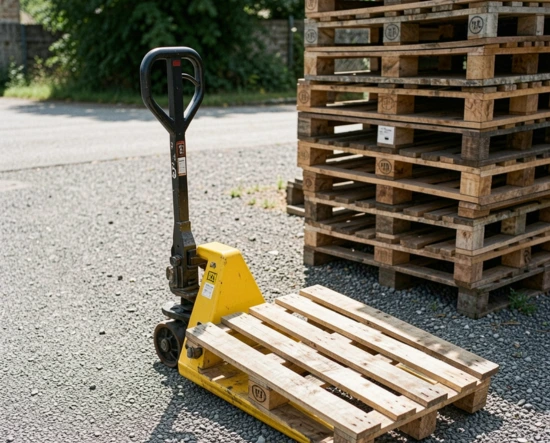
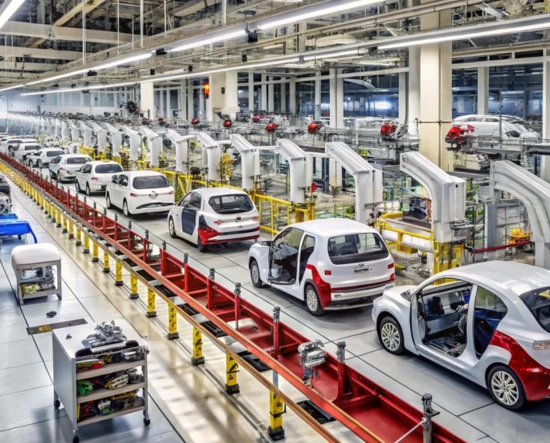
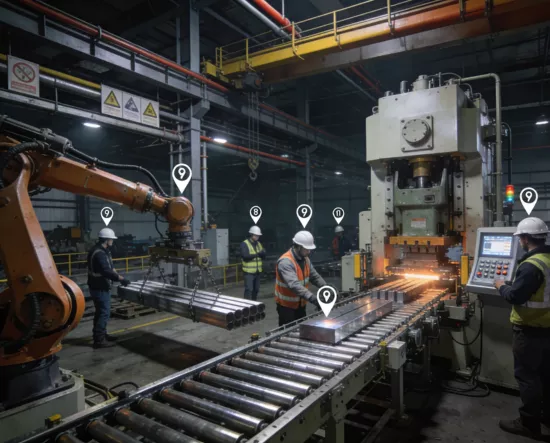
Core Capabilities
End-to-End Production Intelligence — From Live Tracking to Process Optimisation
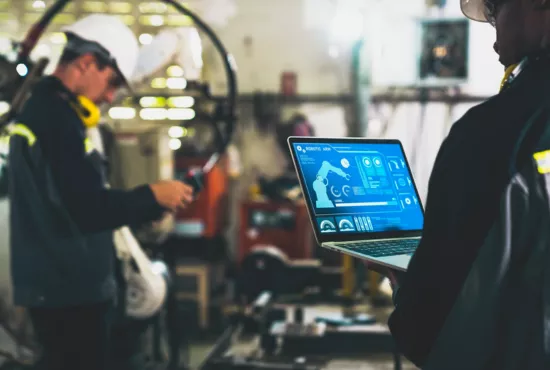
Use Cases
Built for Production Environments Where Every Minute of Delay Has a Cost

Key Performance Impact
Measurable Results from WIP Tracking Implementation
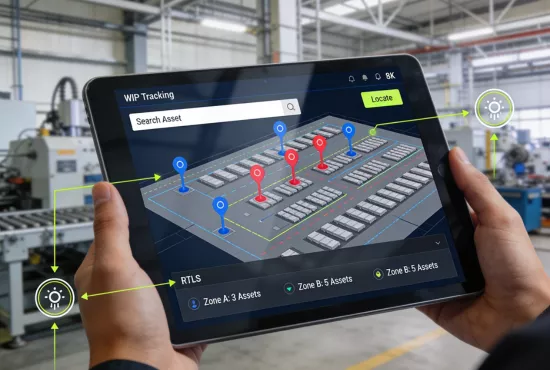
Locate any work order or material instantly on the live floor map
Bottleneck detection and flow analytics keep every stage on schedule
Real-time order visibility prevents delays before they reach the customer
FIFO enforcement and traceability catch errors at the source
Eliminate idle time and improve flow without adding equipment or headcount
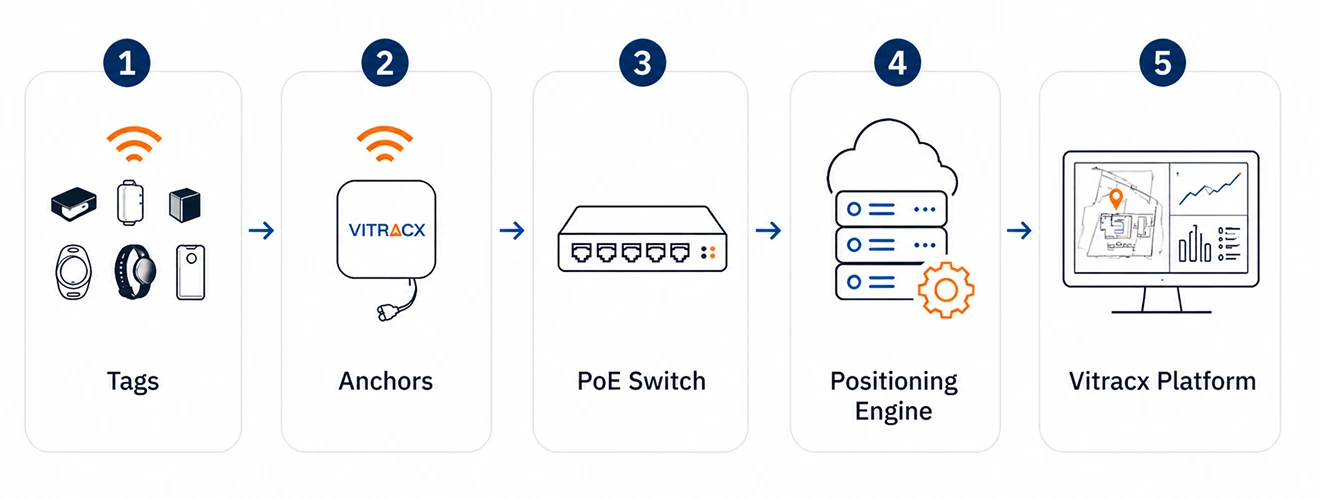
Complete RTLS Asset Tracking System Flow
Integrations
Frequently Asked Questions
WIP (Work-in-Progress) Tracking provides real-time visibility into materials, orders, and products moving through different production stages. It helps reduce delays, improve efficiency, and ensure better control over manufacturing operations.
It solves issues like lost production visibility, bottlenecks, inaccurate manual updates, delayed order completion, and poor material flow between workstations.
The solution uses RTLS technologies such as UWB, BLE, RFID, and GPS to track orders, pallets, carts, and materials throughout the production cycle. This data is displayed on a centralized platform for live monitoring and analytics.
Yes, by identifying bottlenecks, reducing dwell time, and improving workflow visibility, the system helps increase throughput and overall shopfloor efficiency.
Yes, the platform can track materials, orders, pallets, operators, and equipment together—providing complete production visibility from one system.
Yes, the system can trigger alerts for delays, blocked workstations, abnormal movement, or process disruptions—helping teams respond faster.
Absolutely. It integrates seamlessly with MES, ERP, and WMS systems to synchronize production, inventory, and business operations in real time.
Yes, the platform is built for scalability and can support multiple lines, plants, work centres, and complex manufacturing workflows as operations grow.