What Happens When Your MHE Fleet Operates Without Visibility?
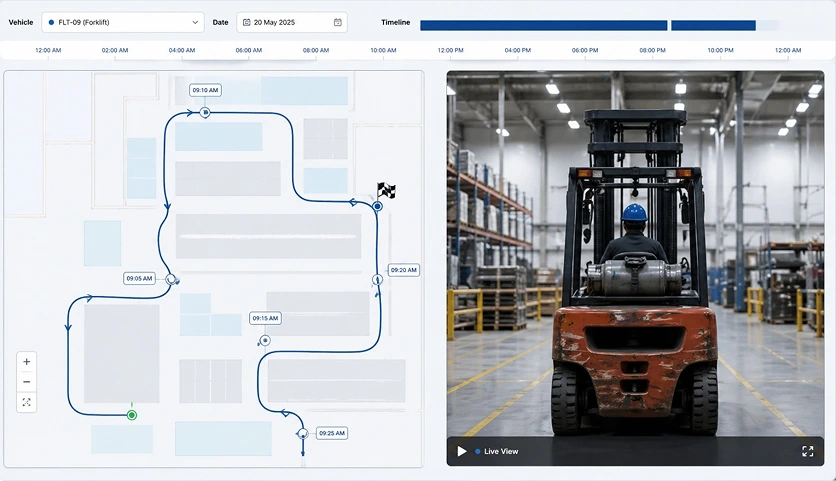
What You Can Track with Vitracx?
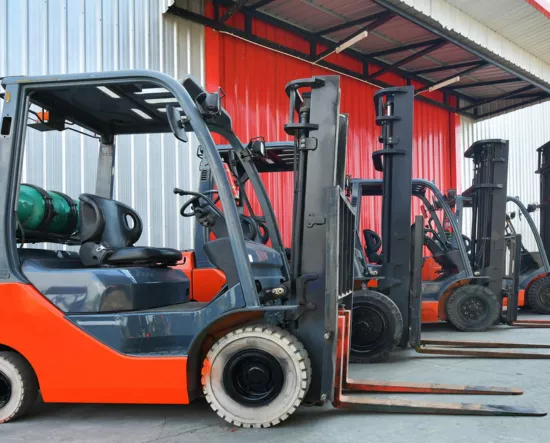
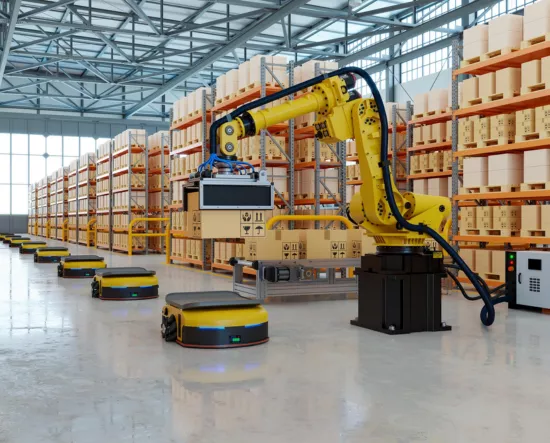
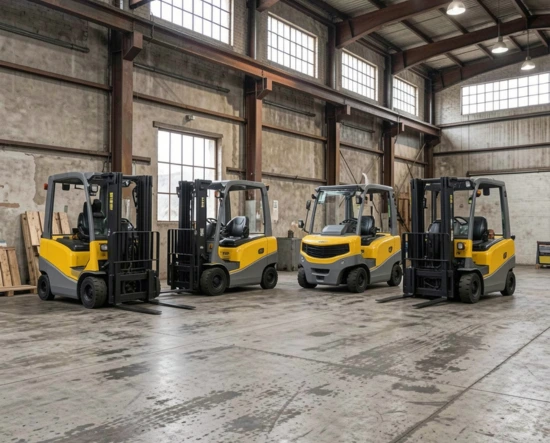
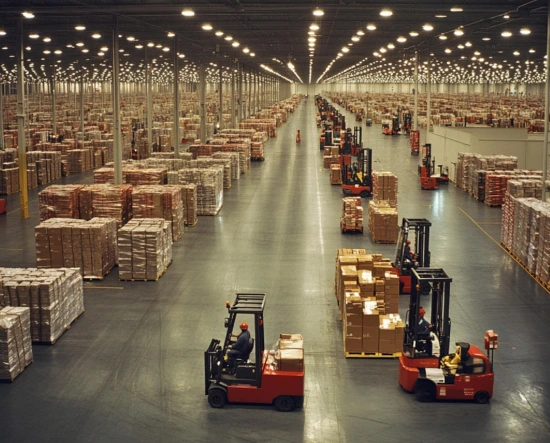
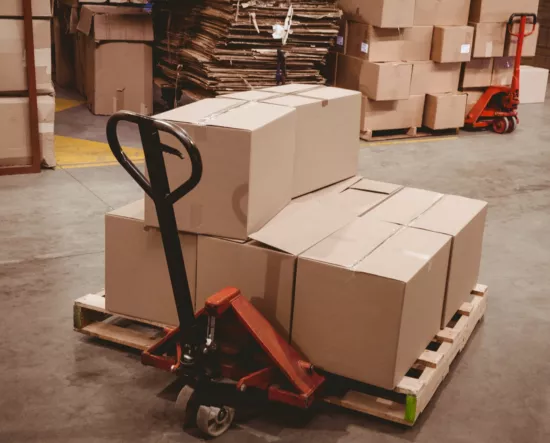
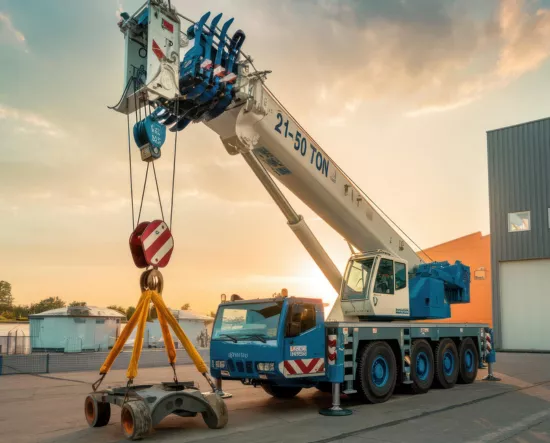
Core Capabilities
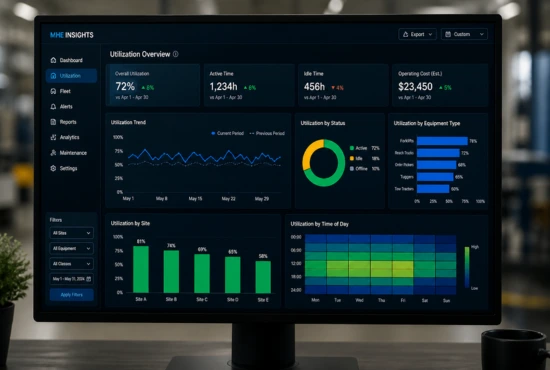
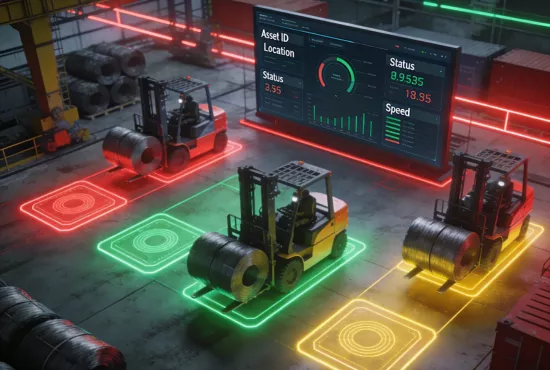
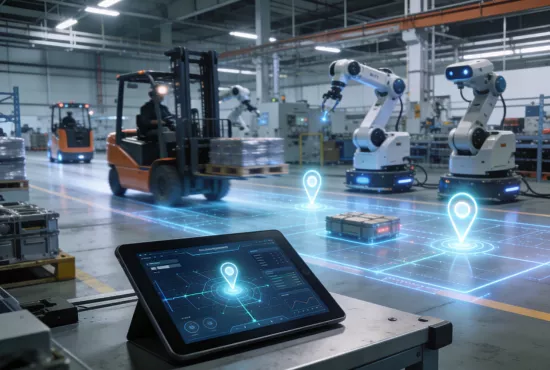
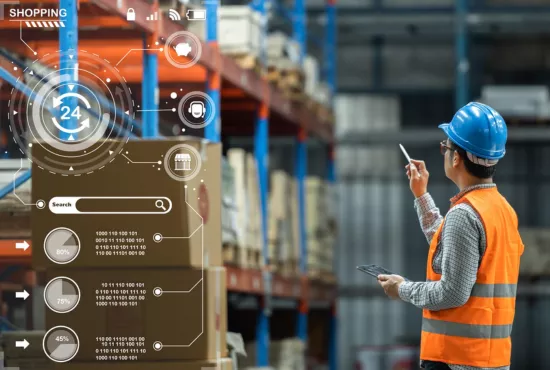
Complete MHE Intelligence — From Live Tracking to Predictive Operations
Use Cases
Built for the Environments Where MHE Work Hardest

Key Performance Impact
Measurable Results from MHE Tracking Implementation
Maximize fleet usage and cut idle time across every shift
Eliminate unnecessary movement with smarter routing and deployment
Less time searching for machines, more time operating them
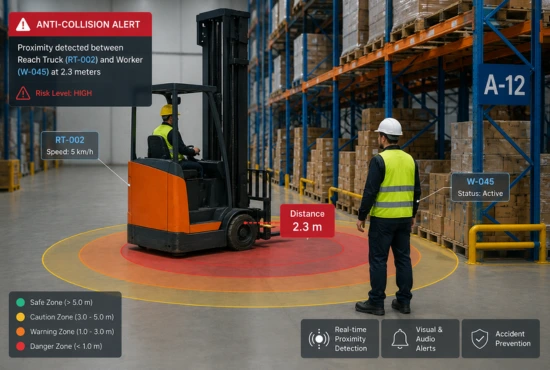
Zone alerts and proximity detection minimize collision and breach risks
Usage-based scheduling reduces breakdowns and unplanned repair spend
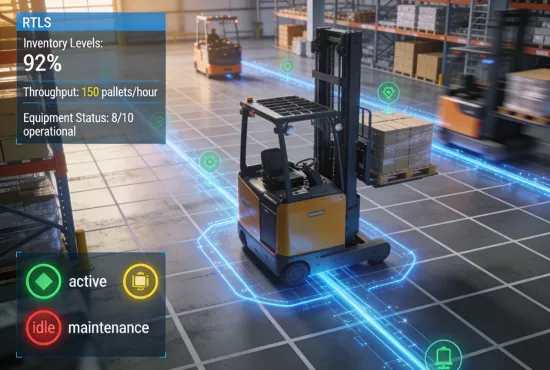
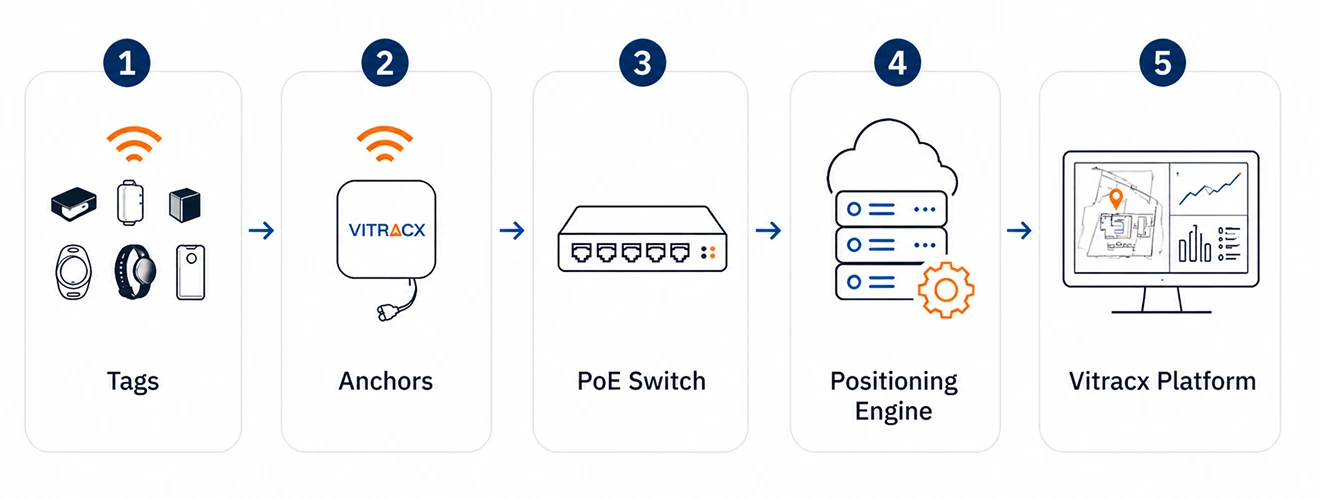
Complete RTLS Asset Tracking System Flow
Integrations
Frequently Asked Questions
MHE Tracking provides real-time visibility into forklifts and material handling equipment, helping improve utilization, reduce delays, and enhance operational control.
It eliminates issues like idle equipment, search delays, inefficient routing, and lack of visibility—leading to better productivity and smoother operations.
It uses RTLS technologies such as UWB, BLE, RFID, and GPS to capture location and movement data, which is then displayed on a centralized dashboard.
Yes, it enables proximity alerts, collision warnings, and zone-based safety controls to reduce accidents and improve compliance.
Yes, indoor tracking is done using UWB/BLE/RFID, while outdoor tracking can be enabled using GPS or hybrid technologies.
Yes, it integrates with WMS, ERP, and MES systems to ensure seamless data flow and unified visibility.
Absolutely. It can scale across facilities, equipment types, and operational complexity as your business grows.