Blutooth Low Energy (BLE)
Bluetooth Low Energy (BLE) enables scalable indoor tracking solutions for assets, people, and equipment. With two core positioning methods — Angle of Arrival (AoA) and Received Signal Strength Indicator (RSSI) — businesses can choose the right balance of accuracy, cost, and deployment complexity.
Whether you need sub-meter precision or cost-effective room-level tracking, BLE RTLS provides the flexibility to build the right solution for your operations.
Overview — What is BLE?
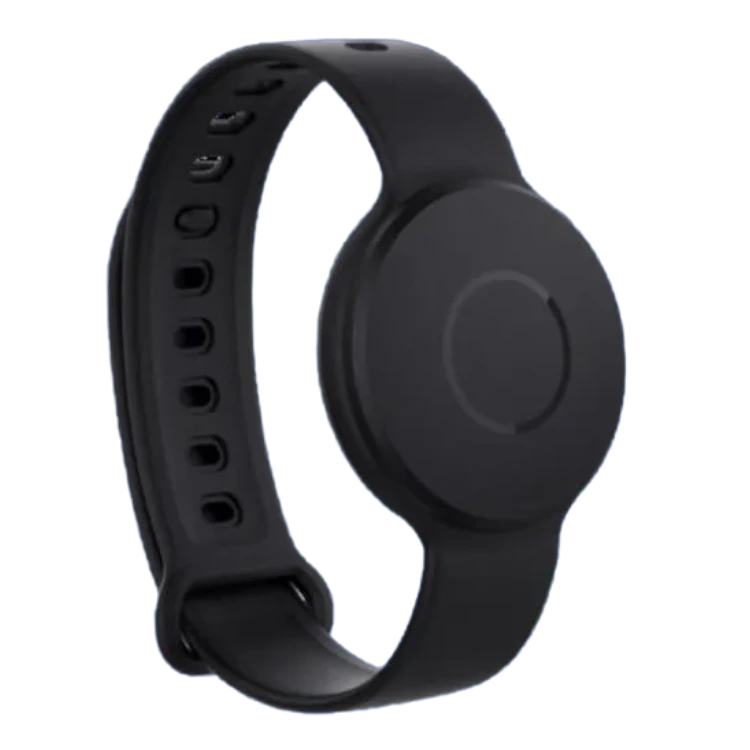
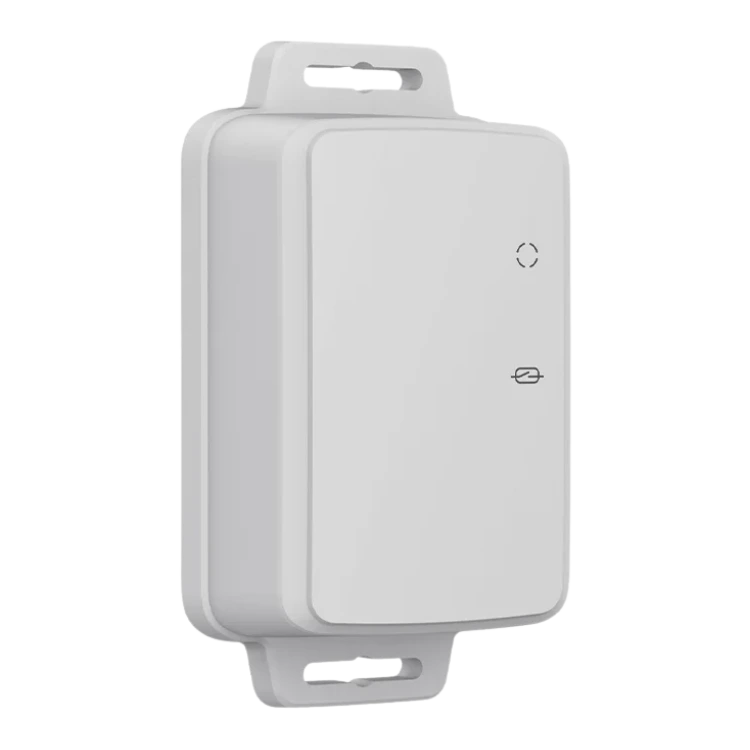
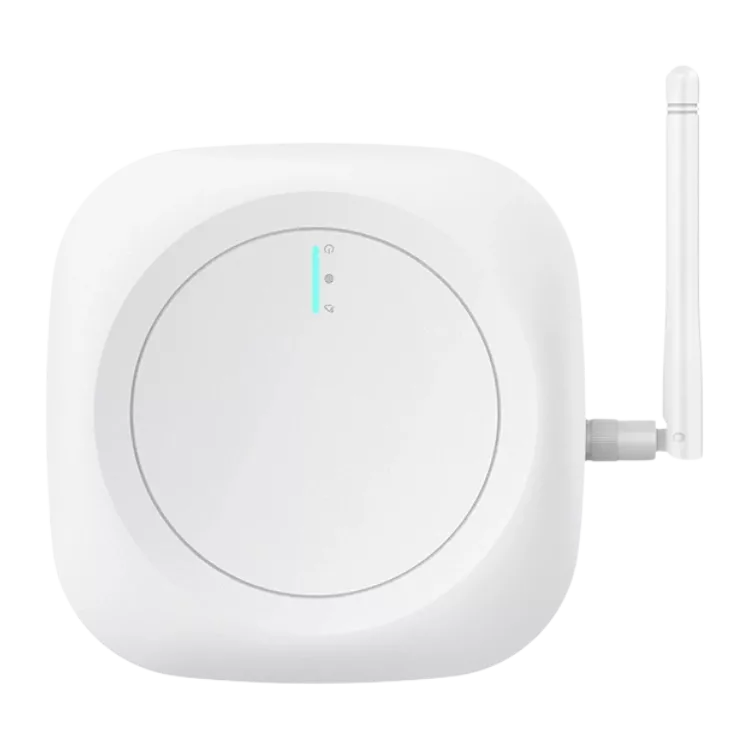
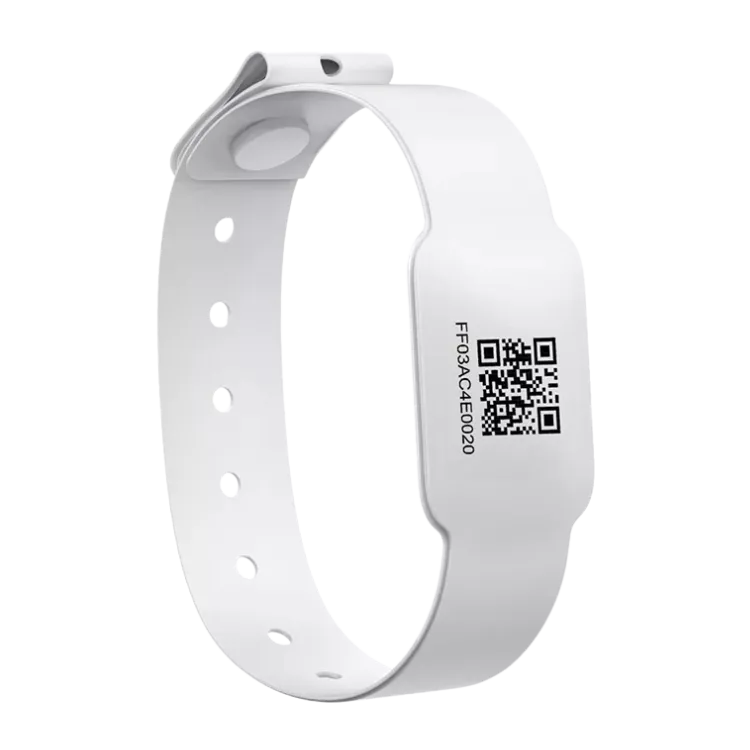
BLE-based Real-Time Locating Systems (RTLS) use Bluetooth tags and gateways to track and monitor the real-time location of assets and people indoors.
There are two primary BLE positioning technologies:
1. BLE AoA (Angle of Arrival)
Uses antenna arrays to calculate the direction of signals and triangulate precise positions.
2. BLE RSSI (Received Signal Strength Indicator)
Uses signal strength to estimate proximity and approximate location.
Both technologies serve different operational needs — from high-precision manufacturing environments to cost-sensitive tracking applications.
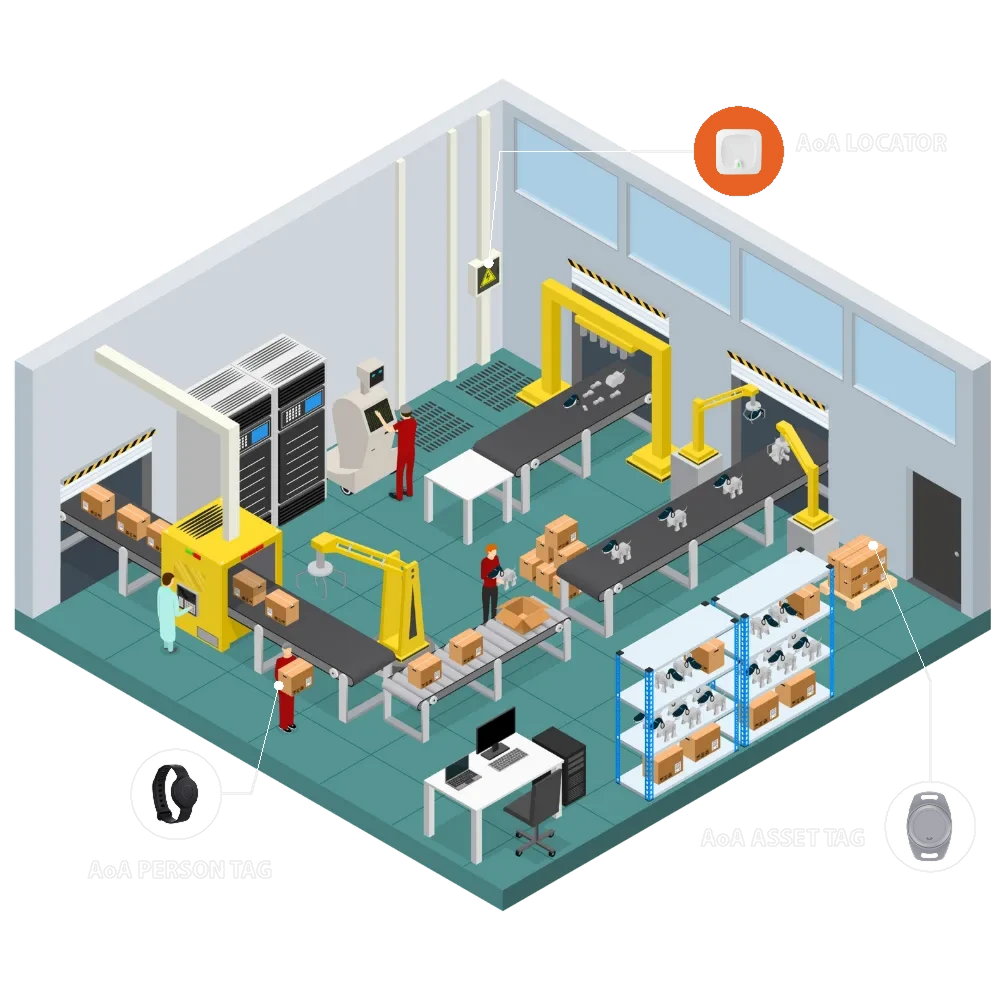
How BLE Works

BLE Technology Types

Use Cases of BLE AoA
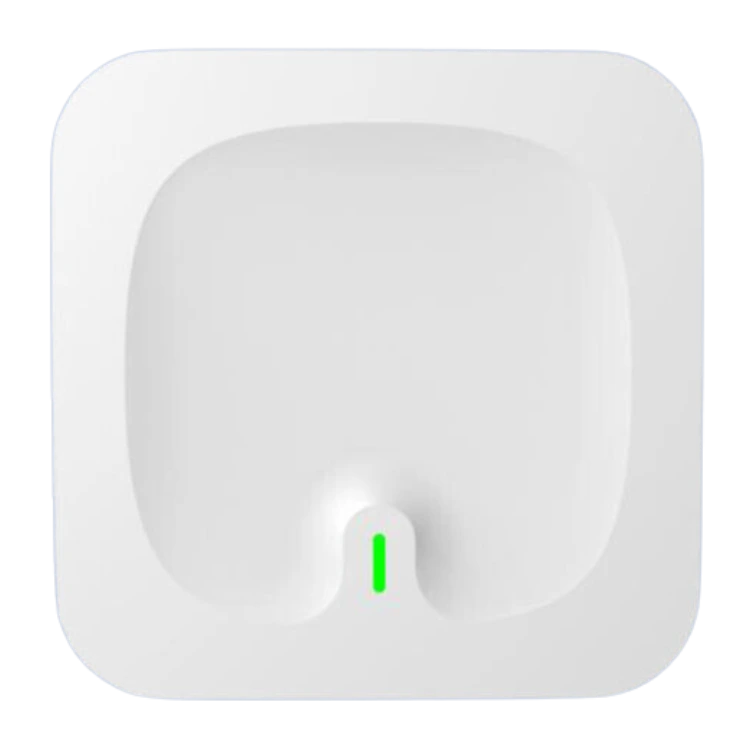
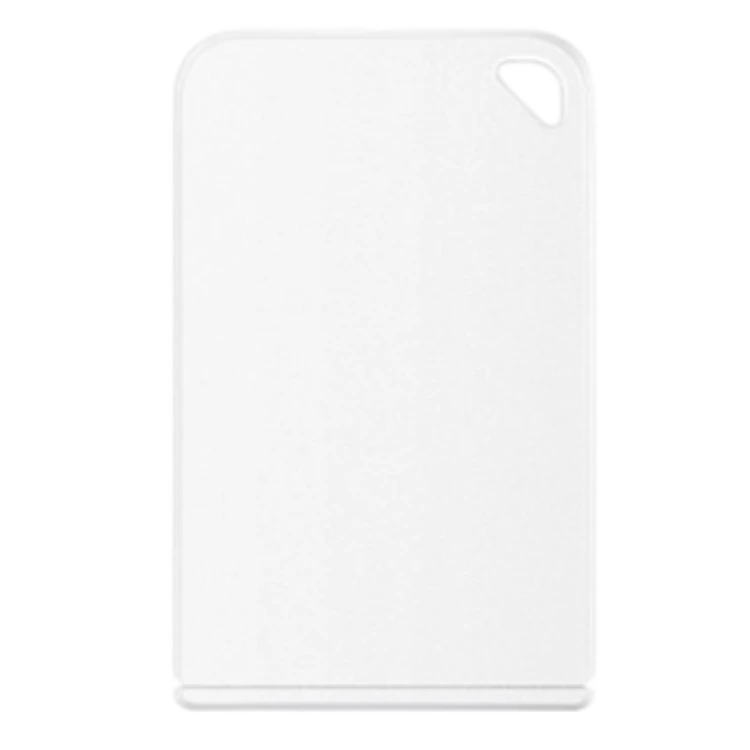
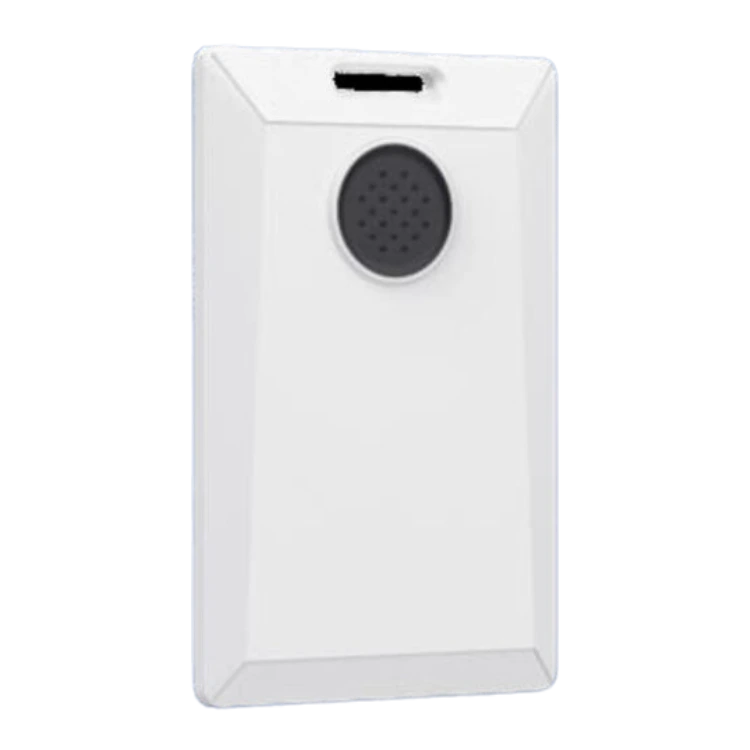
BLE Hardware




Key Features of BLE RTLS
Industries Using BLE RTLS
BLE RTLS supports a wide range of industries:






We’re here to answer all your questions
Quick answers to questions you may have
AoA is best for high-precision tracking (~1m), while RSSI is ideal for cost-effective, room-level tracking.
Yes, both can be combined — use AoA for critical zones and RSSI for wider coverage.
AoA offers ~1–1.5m accuracy, while RSSI provides zone level detection accuracy, depending on setup.
BLE works well with proper planning; AoA handles interference better, while RSSI suits basic tracking.
RSSI is more affordable, AoA offers higher precision. ROI comes from efficiency, visibility, and reduced manual effort.


Get in Touch With Us
Have questions about BLE RTLS or looking for the right RTLS solution for your facility? Fill out the form below, and our experts will connect with you shortly.