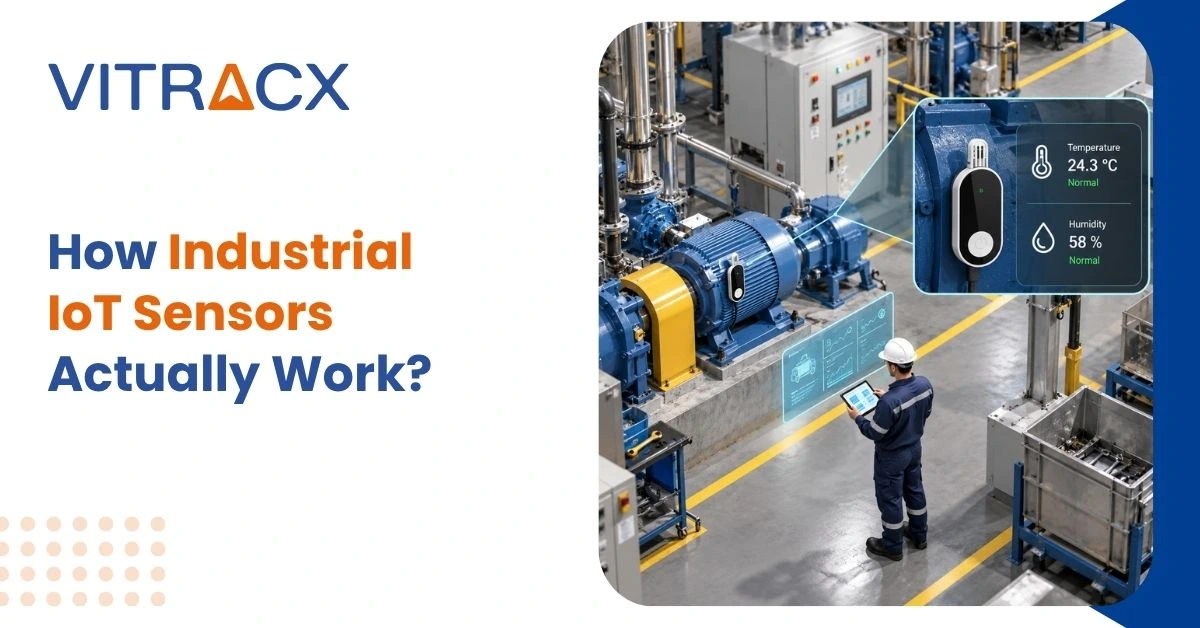
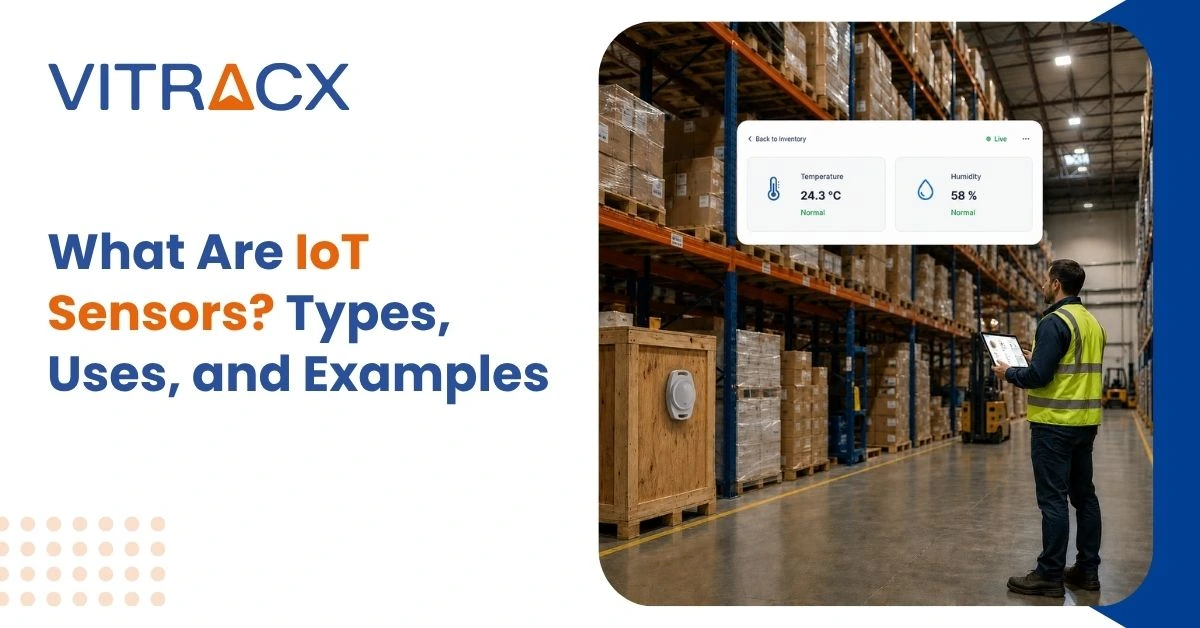
Industrial facilities depend on accurate information to manage safety, environmental conditions, equipment activity, and daily operations. However, manual inspections cannot always provide continuous visibility. IoT Sensors help bridge this gap by collecting real-time data from physical environments and connecting it to digital monitoring systems.
From temperature and humidity monitoring to occupancy detection and access alerts, Industrial IoT Sensors are becoming an important part of smart manufacturing and Industry 4.0. They allow organizations to monitor changing conditions and respond faster when operational attention is required.
What Are Industrial IoT Sensors?
An IoT sensor device is designed to detect a specific physical condition or activity and convert that observation into digital information. Connected sensors can monitor temperature, humidity, human presence, distance, door activity, pressure, and other environmental conditions.
Unlike standalone devices that only provide local readings, IoT Sensors transmit collected data through connected networks to an IoT monitoring system. This creates a centralized view of multiple sensing points across a facility.
Different Industrial IoT Devices are used depending on the monitoring requirement. For example, temperature and humidity sensors monitor environmental conditions, PIR sensors detect human presence, TOF sensors measure distance, and door sensors identify opening, closing, or tampering events.
How Do IoT Sensors Work?
Understanding how IoT Sensors work is relatively simple. The process generally involves four stages:
1. Detect Physical Conditions
The sensor continuously or periodically measures a specific condition, forming the foundation of Industrial IoT Monitoring. Depending on the application, this may include:
- Temperature and humidity
- Human presence and occupancy
- Distance and proximity
- Door open/close activity
- Pressure and environmental conditions
2. Convert Information into Data
Once a condition is detected, the IoT sensor device converts that observation into digital information. A reading may show the current temperature, indicate that a person is present, or record that a door has been opened. This creates usable sensor data rather than relying only on a local display or manual observation.
3. Transmit Data Through Connected Networks
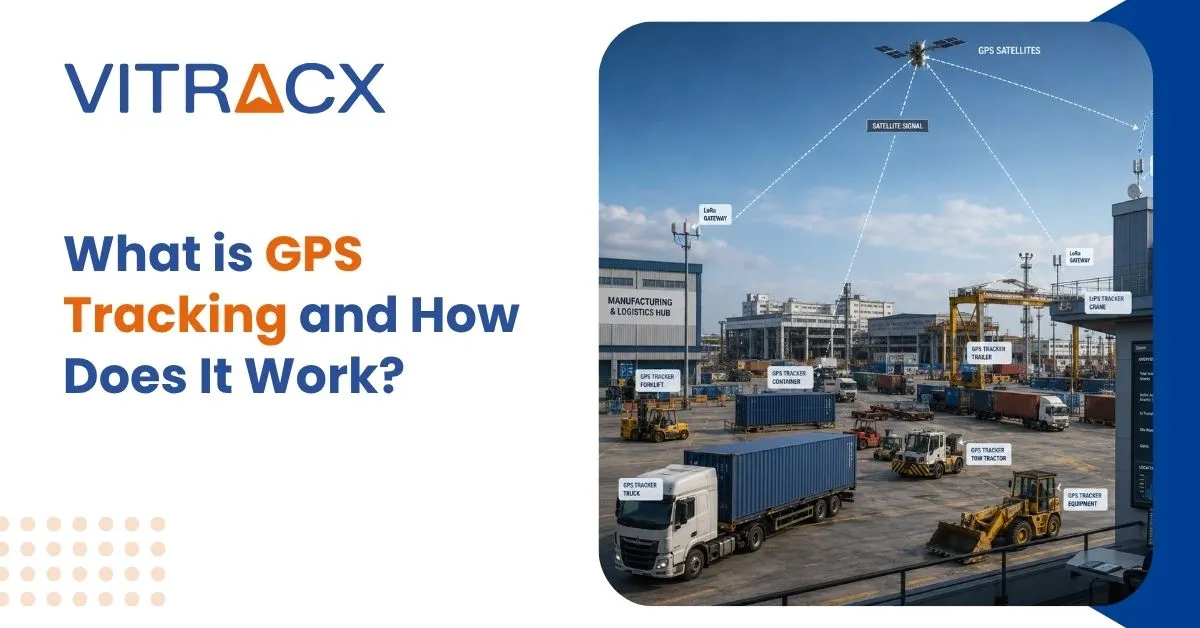
The information is then sent through a connected communication network to a gateway or monitoring platform. Depending on the environment and application, technologies such as Bluetooth Sensors and GPS + LoRa sensors can support indoor and outdoor monitoring requirements.
This connection is what turns an individual sensor into part of a wider Industrial IoT ecosystem. Data from multiple locations can be brought together instead of being checked separately.
4. Monitor Data and Generate Alerts
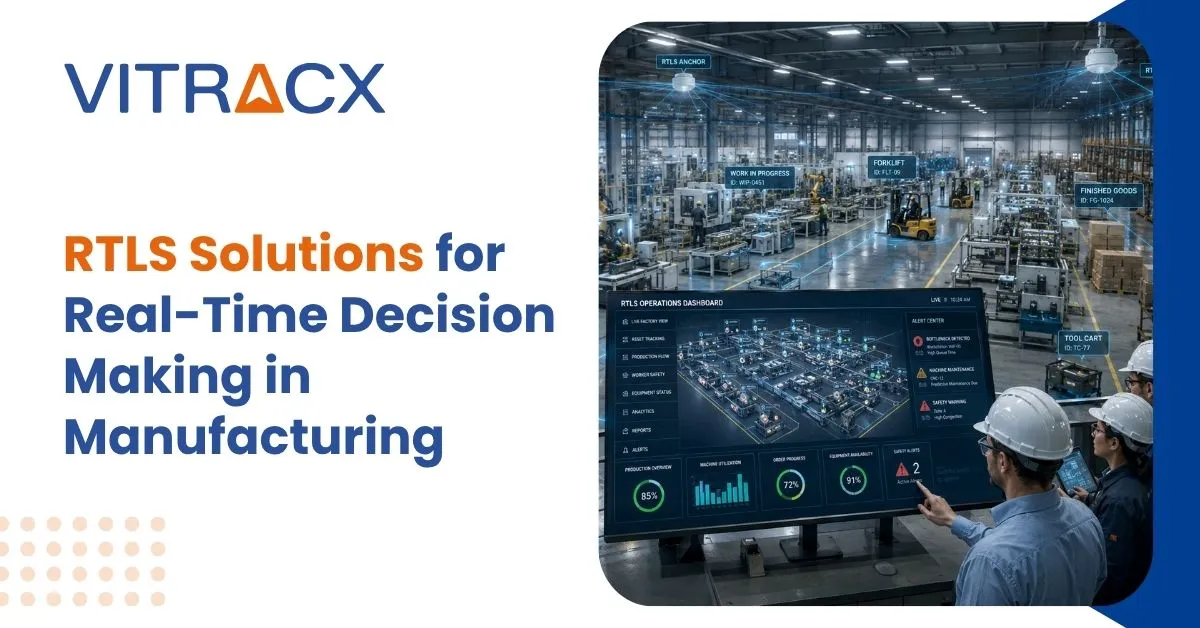
An IoT Monitoring System processes incoming sensor data and makes relevant information available for operational monitoring. Organizations can configure automated alerts when predefined thresholds are exceeded or unexpected events occur, supporting faster responses and improved industrial automation.
For example, an unexpected door opening can trigger an access alert, while changing environmental conditions can notify relevant teams. This connected approach supports workplace safety and helps organizations respond to critical events without depending entirely on manual monitoring.