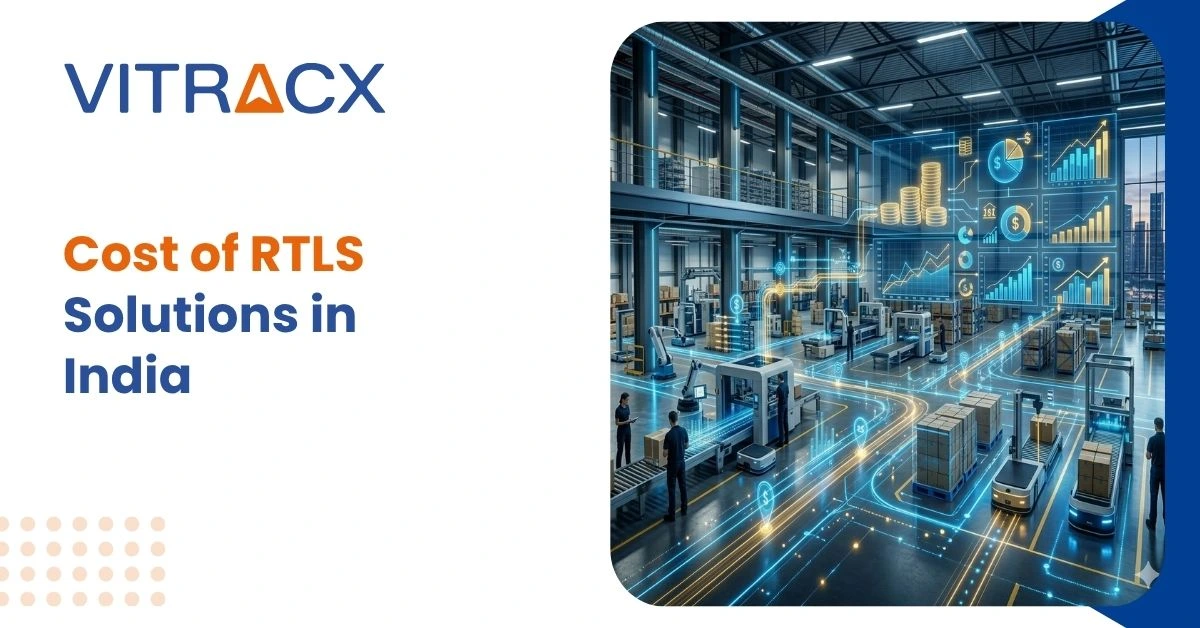
As businesses move towards automation and real-time tracking, understanding the cost of implementing such systems becomes important. Many organizations are now evaluating advanced tracking technologies to improve efficiency and reduce operational delays.
Before investing, it is essential to understand how an RTLS Solution is priced and what factors affect the overall cost. In India, pricing can vary based on technology, scale, and business requirements.
What Determines the Cost of RTLS Solutions in India?
The cost of an RTLS system is not fixed and depends on multiple factors. Businesses planning to implement an RTLS Solution must evaluate their requirements carefully.
Key Cost Factors
- Technology used
- Number of assets or people to track
- Size of the facility
- Hardware components (tags, sensors)
- Software and integration requirements
These factors directly impact the total cost of implementation.
Cost Breakdown of RTLS Solutions
Understanding the cost structure is important before investing in any tracking system. A typical RTLS Solution includes multiple components that work together to provide real-time visibility. The total cost depends on the number of assets to be tracked, the size of the facility, and the level of tracking accuracy required. Businesses should consider both initial investment and long-term operational value before selecting a solution.
Cost Components
- Tracking tags / devices (attached to assets or personnel)
- Anchors / gateways (installed across the facility)
- Software platform (dashboard and analytics)
- Installation and system setup
- Maintenance and technical support
Each component plays a key role in the overall system performance and cost.
Estimated Cost of RTLS Solutions in India
The cost of implementing an RTLS system in India varies based on project size, facility layout, and tracking requirements. Unlike standard products, an RTLS Solution is a combination of hardware, software, and services, which means pricing depends on how the system is designed and deployed.
For smaller facilities, the cost may be limited to basic tracking setups, while large industrial environments require advanced systems with higher investment. Businesses should evaluate both initial setup cost and long-term value before making a decision.
| Component |
Estimated Cost Range (India) |
| Tracking Tags / Devices |
₹1,000 – ₹8,000 per unit |
| Anchors / Gateways |
₹5,000 – ₹30,000 per unit |
| Software Platform |
₹3,00,000 – ₹15,00,000+ |
| Installation & Setup |
₹1,50,000 – ₹10,00,000+ |
| Maintenance (Annual) |
10% – 20% of total project cost |
How RTLS Solutions Help Reduce Costs?
While the initial investment in an RTLS Solution may seem high, the long-term cost savings make it a valuable investment for businesses. Many operational inefficiencies in warehouses and industrial environments come from lack of visibility, misplaced assets, and manual tracking processes. By implementing a real-time tracking system, businesses can eliminate these inefficiencies and improve overall control.
Over time, an RTLS Solution helps reduce hidden costs that are often ignored, such as time spent searching for assets, delays in operations, and errors in inventory management. With accurate data and real-time insights, businesses can make faster decisions, optimize workflows, and reduce unnecessary expenses.
Cost Benefits
- Reduced asset loss and misplacement
- Lower manual tracking effort
- Improved workflow efficiency
- Faster operations and reduced delays
- Better resource utilization
These improvements directly contribute to higher productivity and better return on investment.