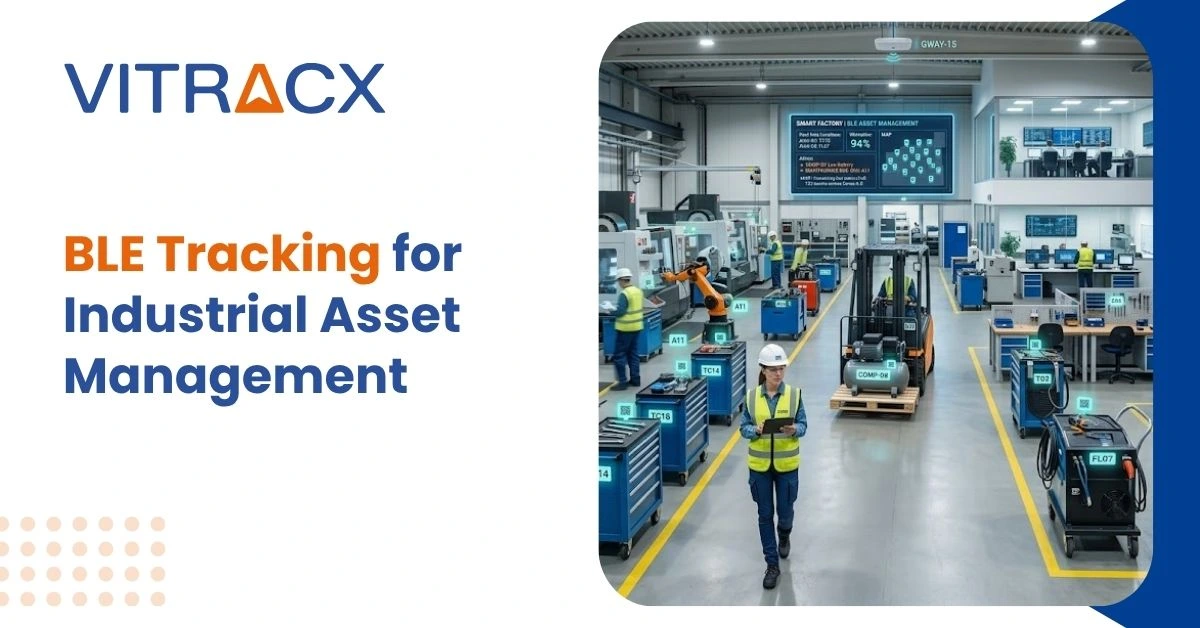
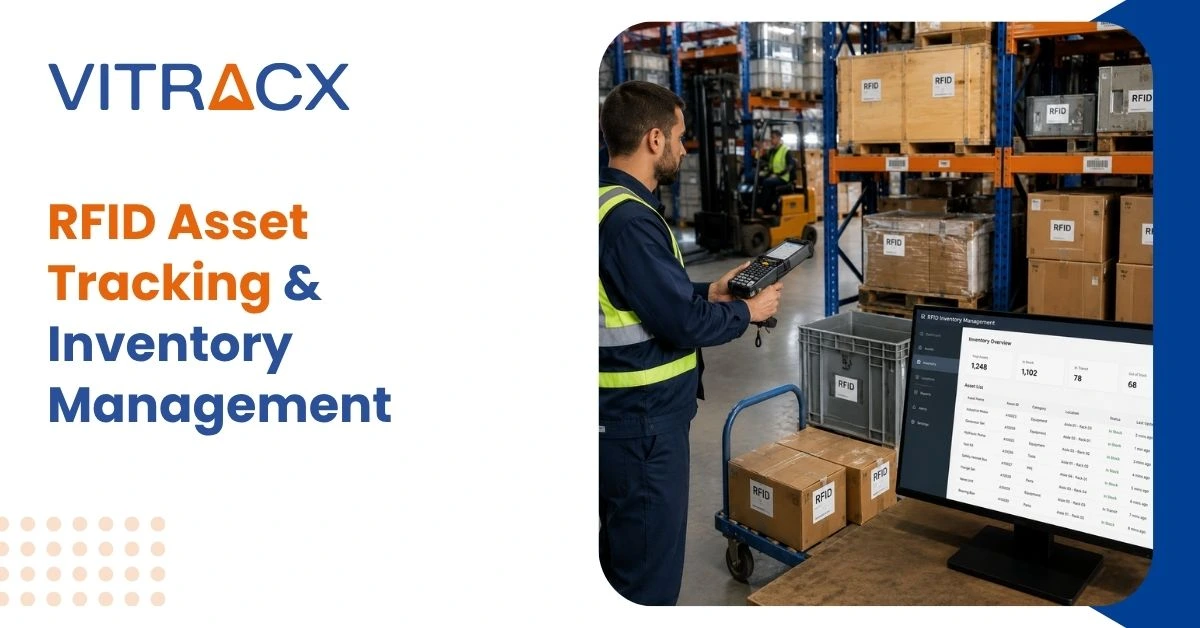
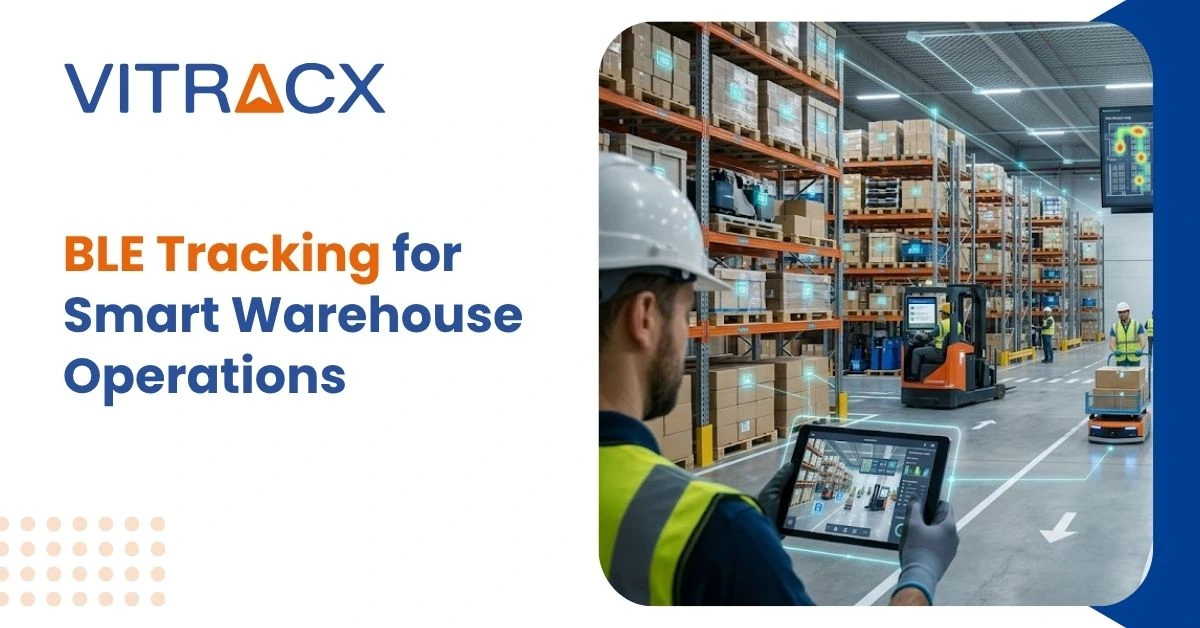
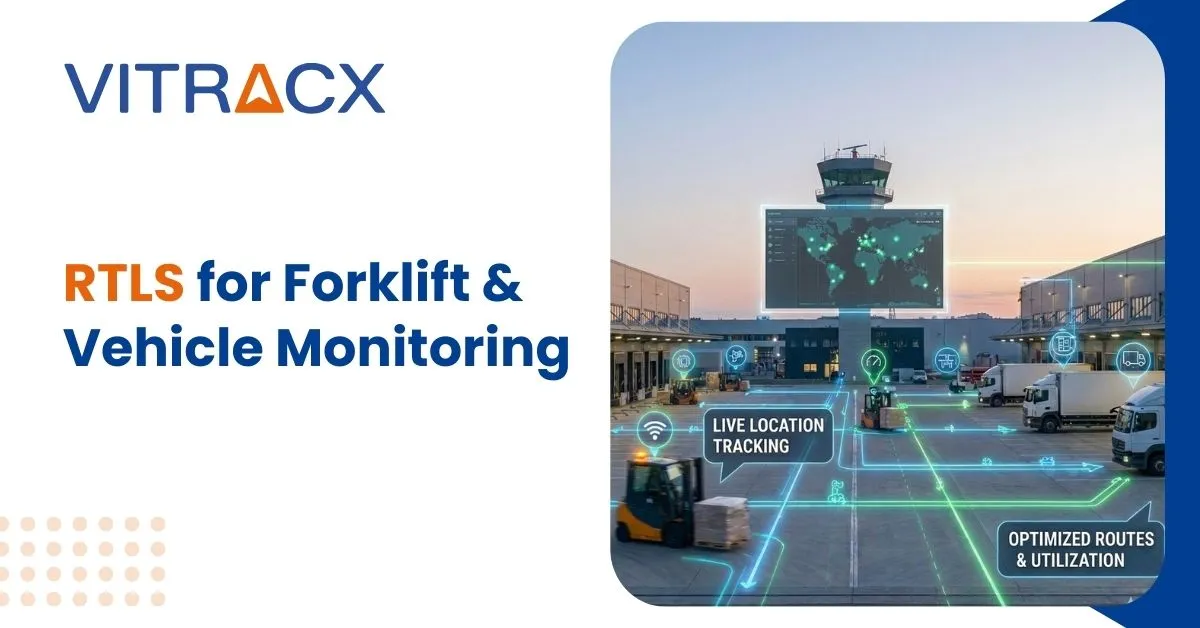
Industrial assets are essential to maintaining efficient production, smooth maintenance activities, and uninterrupted operations. From production tools and movable equipment to forklifts, testing instruments, and maintenance kits, every asset contributes to operational performance. However, tracking these assets manually often results in misplaced equipment, longer retrieval times, unnecessary asset purchases, and reduced productivity.
By implementing BLE Tracking, organizations can gain real-time visibility into asset locations, monitor asset movement, and improve utilization across industrial facilities. Bluetooth Low Energy technology enables businesses to automate asset monitoring, reduce manual intervention, and make informed operational decisions. As industries continue to embrace digital transformation, BLE Tracking has become an effective solution for improving asset management while supporting connected and data-driven operations.
What is Industrial Asset Management?
Industrial asset management is the process of monitoring, maintaining, and optimizing physical assets throughout their operational lifecycle. It ensures that equipment, tools, machinery, and other critical resources remain available, well-maintained, and efficiently utilized to support daily operations.
Effective asset management goes beyond maintaining an inventory list. It involves understanding where assets are located, how frequently they are used, when maintenance is required, and whether they are being utilized efficiently. BLE Tracking helps organizations gain real-time visibility into these assets, making it easier to improve utilization, reduce search time, and maintain operational continuity.
Modern industrial facilities are increasingly adopting digital technologies to replace manual asset management processes, improving visibility and enabling faster, data-driven decision-making.
Why Traditional Asset Management Falls Short?
Many industrial facilities continue to rely on spreadsheets, manual logs, barcode systems, or physical inspections to monitor assets. While these methods provide basic records, they often fail to deliver the real-time visibility required for modern industrial operations.
Some common challenges include:
- Time-consuming searches for critical equipment
- Unplanned production delays caused by unavailable assets
- Duplicate asset purchases due to poor visibility
- Limited information about asset movement and utilization
- Inaccurate maintenance records
- Manual data entry errors and outdated information
These challenges not only reduce operational efficiency but also increase maintenance costs and affect overall productivity. Implementing BLE Tracking helps organizations overcome these limitations by providing continuous indoor asset visibility.
How BLE Tracking Supports Industrial Asset Management?
Managing industrial assets requires more than knowing what assets are available—it requires knowing where they are, how they are being used, and when they are needed. BLE Tracking provides this level of visibility by continuously monitoring asset movement within industrial facilities.
BLE tags attached to tools, machines, portable equipment, and maintenance assets periodically transmit Bluetooth signals to gateways or locators installed throughout the facility. The RTLS platform processes this information and displays real-time asset locations, movement history, and operational insights through a centralized dashboard.
This continuous visibility helps maintenance teams locate equipment quickly, allows production teams to access required tools without delays, and enables managers to monitor asset utilization across departments. Instead of relying on manual searches, organizations gain accurate and up-to-date information that supports better planning and operational control.
| Asset Management Challenge |
How BLE Tracking Helps |
| Misplaced tools and equipment |
Provides real-time asset visibility |
| Delays in locating critical assets |
Enables faster asset retrieval |
| Low equipment utilization |
Monitors asset movement and usage |
| Manual asset tracking |
Automates location monitoring |
| Limited operational insights |
Delivers dashboards and movement analytics |
Benefits of BLE Tracking for Industrial Asset Management
Organizations implementing BLE Tracking can improve operational control while enhancing the efficiency of their asset management processes.
- Improves visibility of movable industrial assets
- Reduces time spent locating tools and equipment
- Increases asset utilization across departments
- Supports preventive maintenance planning
- Minimizes manual asset tracking activities
- Enhances operational accountability
- Integrates with RTLS, ERP, and MES platforms
- Supports scalable industrial operations