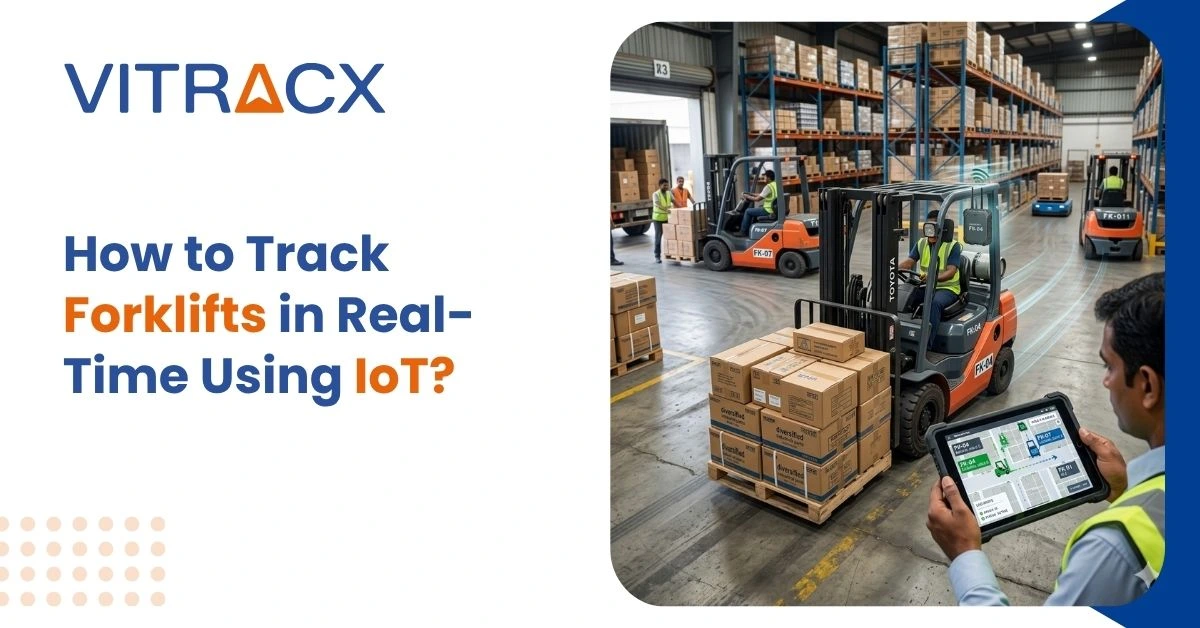
In modern industrial environments such as warehouses, manufacturing units, and logistics hubs, forklifts are essential for material handling and daily operations. Managing their movement, monitoring usage, and ensuring safety can be challenging without proper tracking systems. Traditional methods lack real-time visibility, leading to inefficiencies, delays, and increased operational risks.
To overcome these challenges, businesses are adopting advanced technologies that provide accurate and real-time data. One of the most effective solutions involves the use of IoT Sensors, which enable continuous monitoring of forklift movement, performance, and location. This real-time visibility helps organizations optimize operations, improve safety, and enhance overall productivity.
Importance of Real-Time Forklift Tracking
Efficient forklift management is crucial for maintaining smooth operations in industrial environments. Without proper tracking, businesses often face issues such as idle equipment, delays in task execution, and lack of coordination between teams.
By implementing IoT Sensors, companies can gain real-time insights into forklift usage and movement. This allows for better allocation of resources, improved workflow management, and reduced downtime. Real-time tracking also ensures that forklifts are utilized efficiently across different operational areas.
Key importance includes:
- Real-time visibility of forklift operations
- Improved asset utilization
- Reduced idle time
- Better workflow coordination
- Enhanced operational control
How IoT Sensors Work in Forklift Tracking
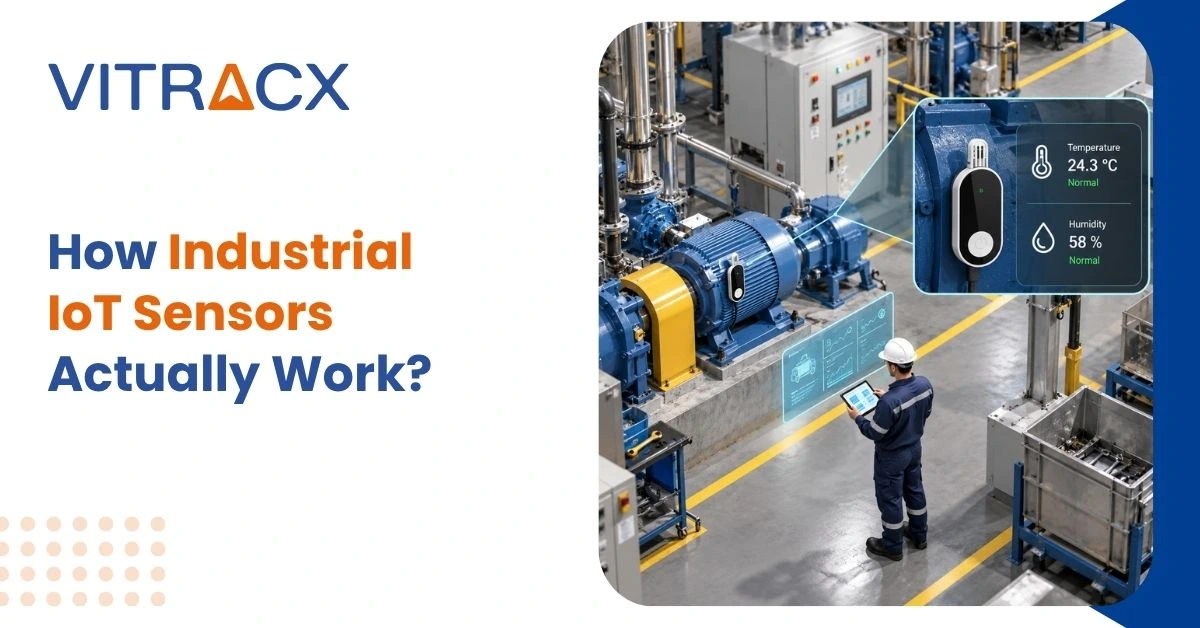
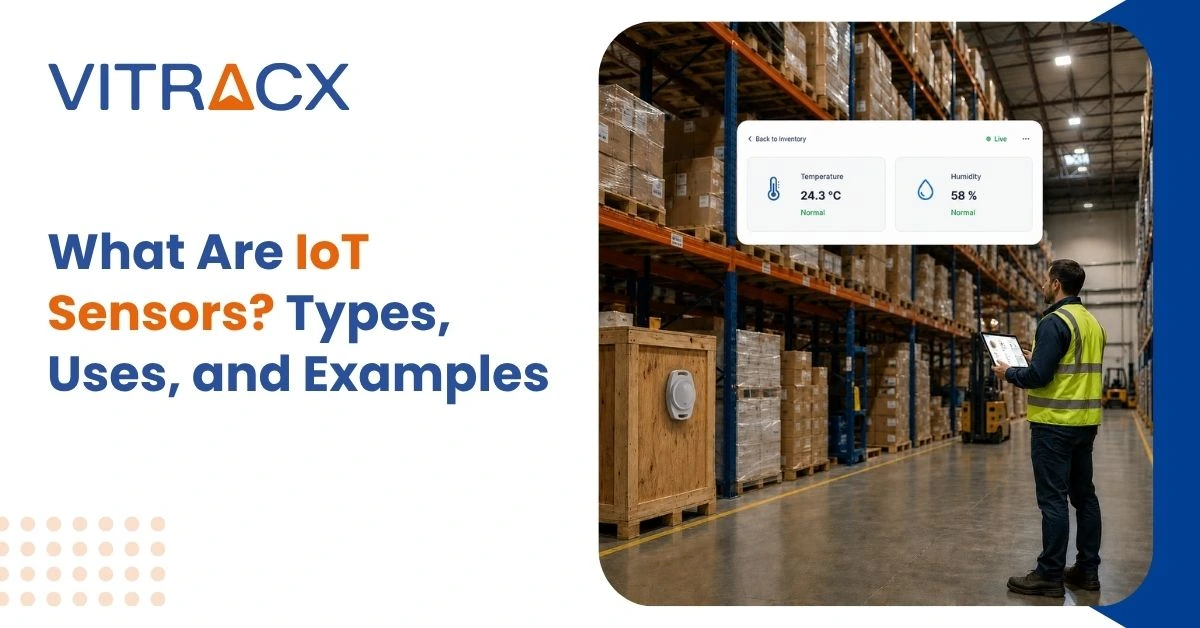
IoT-based tracking systems use connected devices to collect and transmit data from forklifts. These sensors continuously monitor parameters such as location, speed, and usage patterns, providing valuable insights into operations.
In forklift tracking systems, IoT Sensors are installed on vehicles to capture real-time data. This data is transmitted wirelessly to a centralized platform, where it is processed and displayed through dashboards. This allows managers to monitor operations and make informed decisions quickly.
Working process includes:
- Sensors installed on forklifts
- Continuous data collection
- Wireless transmission to central system
- Real-time data visualization
Types of IoT Sensors Used for Forklift Tracking
Different types of sensors are used based on the tracking requirements and operational environment. These sensors help capture accurate and relevant data for better monitoring.
When integrated into tracking systems, IoT Sensors provide comprehensive insights into forklift operations and performance.
Common types include:
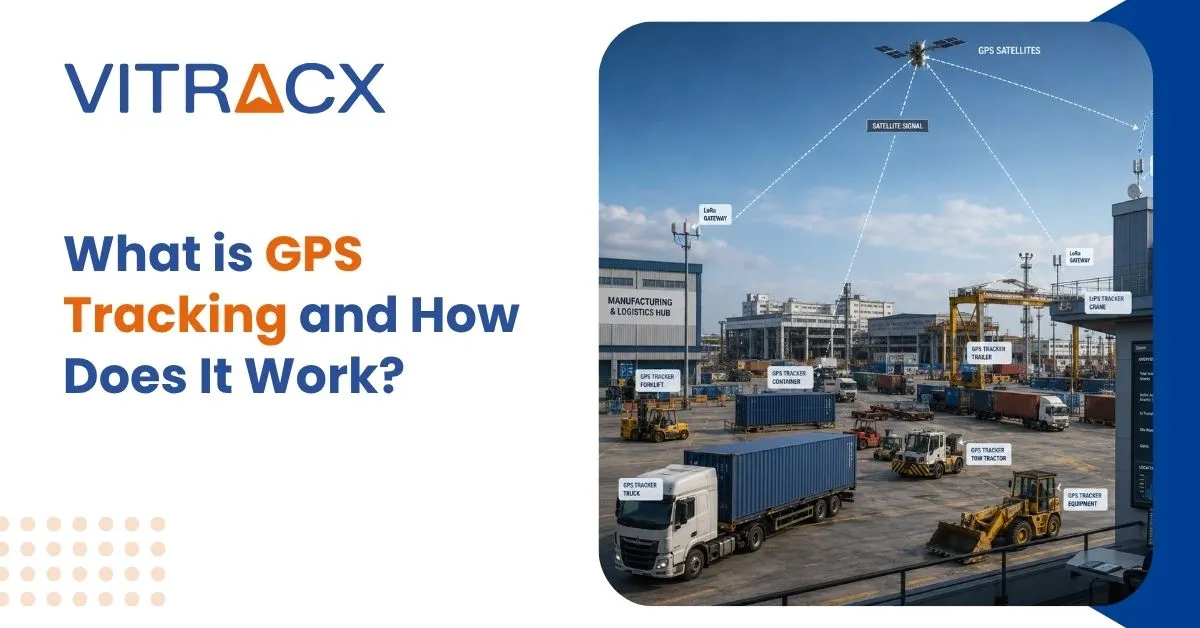
- GPS sensors for outdoor tracking
- BLE sensors for indoor tracking
- RFID tags for identification
- Proximity sensors for safety
- Motion sensors for usage tracking
Benefits of IoT-Based Forklift Tracking
Implementing IoT-based tracking systems provides multiple benefits that improve operational efficiency and control. These systems help businesses manage their assets more effectively.
By using IoT Sensors, organizations can reduce inefficiencies and enhance productivity across operations.
Key benefits include:
- Improved operational visibility
- Reduced delays and idle time
- Better asset utilization
- Enhanced safety compliance
- Real-time decision-making
Improving Safety and Accident Prevention
Forklift operations involve potential safety risks, especially in busy industrial environments where multiple activities take place simultaneously. Lack of monitoring can lead to accidents and operational disruptions.
Using IoT Sensors, businesses can monitor forklift speed, location, and proximity to other objects or workers. This enables real-time alerts and helps enforce safety protocols, reducing the risk of accidents and improving workplace safety.
Key safety features include:
- Collision detection alerts
- Speed monitoring
- Restricted zone alerts
- Real-time notifications
- Improved worker safety