Industrial facilities depend on accurate information to manage safety, environmental conditions, equipment activity, and daily…
- 9 minute read
- Product Guide
- Kunj Patel
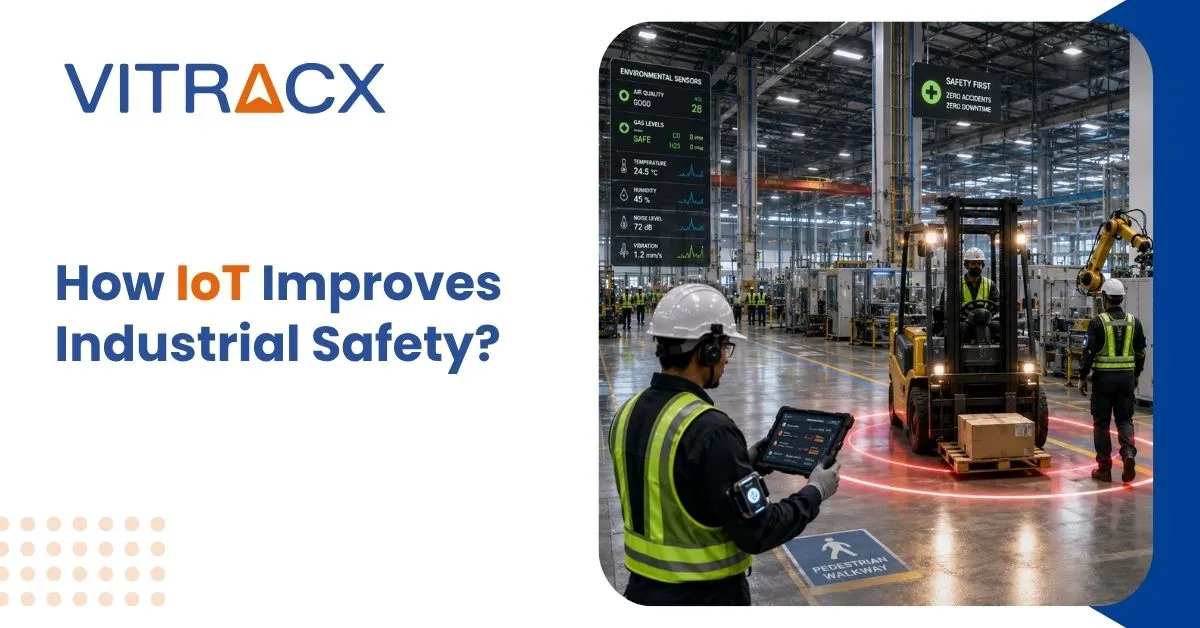
Industrial safety is no longer limited to protective equipment, periodic inspections, and manual safety protocols. Modern manufacturing plants, warehouses, logistics hubs, and industrial facilities operate around the clock, making continuous monitoring essential for preventing accidents and ensuring operational continuity. Delayed identification of hazards can lead to equipment failures, production downtime, workplace injuries, and compliance issues.
This is where IoT Sensors have become a critical part of Industry 4.0. By continuously collecting real-time data from equipment, environments, and operational areas, these smart devices provide instant visibility into workplace conditions and trigger alerts before minor issues become major safety incidents. Whether monitoring temperature, humidity, occupancy, machinery, or restricted access, IoT-enabled monitoring empowers organizations to make faster, informed decisions that protect both people and assets.
Instead of reacting after an incident occurs, businesses can build a proactive safety strategy driven by real-time data, intelligent alerts, and automated monitoring.
Why Industrial Safety Requires Real-Time Monitoring?
Industrial environments are constantly changing. Heavy machinery, material handling equipment, storage facilities, production lines, and hazardous materials all create dynamic working conditions where risks can emerge unexpectedly. Traditional safety inspections provide valuable insights but only capture conditions at specific moments.
Without continuous monitoring, organizations may fail to detect:
- Equipment operating outside safe limits
- Unauthorized access to restricted areas
- Temperature fluctuations affecting products or machinery
- Excessive humidity impacting sensitive materials
- Unsafe occupancy levels
- Machine abnormalities before breakdowns occur
- Environmental conditions that threaten worker safety
Modern industrial operations require immediate visibility into these conditions, enabling teams to respond before incidents escalate. Continuous monitoring allows organizations to move from reactive safety management to predictive risk prevention.
What Are IoT Sensors?
Designed to monitor physical conditions continuously, IoT Sensors collect real-time information from industrial environments and convert it into actionable digital data. These connected devices communicate through technologies such as Bluetooth and GPS + LoRa, transmitting information to centralized monitoring platforms where it can be analyzed instantly.
Depending on operational requirements, IoT sensors monitor:
- Temperature
- Humidity
- Motion
- Occupancy
- Door activity
- Equipment conditions
- Distance measurements
- Environmental changes
Unlike manual inspections, IoT monitoring operates continuously without interruption, ensuring organizations maintain complete awareness of critical operational conditions throughout the day.
Common Workplace Safety Challenges Solved by IoT Sensors
Many industrial safety risks develop gradually before becoming serious incidents. Unfortunately, traditional monitoring methods often identify these problems too late.
Some of the most common workplace challenges include:
- Unexpected machine overheating
- Restricted area violations
- Unsafe environmental conditions
- Cold storage temperature deviations
- Equipment deterioration
- Human error during inspections
- Delayed emergency response
- Limited visibility across large industrial facilities
By integrating IoT Sensors throughout operations, organizations receive immediate notifications whenever abnormal conditions occur, enabling faster corrective action and reducing operational risks.
How IoT Sensors Improve Worker Safety?
Protecting employees remains one of the highest priorities across every industrial sector. Workers operate around heavy machinery, automated equipment, warehouses, production lines, and potentially hazardous environments where continuous monitoring can significantly reduce risks.
IoT-enabled safety monitoring helps organizations improve worker protection by:
- Detecting unauthorized entry into hazardous areas
- Monitoring occupancy levels in restricted zones
- Identifying unsafe environmental conditions
- Sending instant emergency alerts
- Supporting faster evacuation during emergencies
- Providing continuous visibility across industrial facilities
- Reducing dependence on manual inspections
Real-time alerts enable supervisors to respond immediately, preventing incidents before they impact personnel.
Machine Health Monitoring Reduces Workplace Risks
Equipment failures are among the leading causes of industrial accidents and unplanned downtime. Machines rarely fail without warning—they often exhibit subtle changes in operating conditions before a breakdown occurs.
Using IoT Sensors, organizations can continuously monitor equipment performance and identify abnormalities such as:
- Excessive operating temperatures
- Abnormal equipment behavior
- Environmental conditions affecting machinery
- Changes in operating status
- Unexpected equipment inactivity
Continuous equipment monitoring supports predictive maintenance strategies, allowing maintenance teams to address potential issues before they create safety hazards or interrupt production.
Environmental Monitoring Creates Safer Facilities
Industrial safety extends beyond machinery. Environmental conditions can directly affect employee well-being, product quality, and operational reliability.
IoT monitoring provides continuous visibility into critical environmental factors, including:
- Temperature fluctuations
- Humidity levels
- Cold storage conditions
- Server room environments
- Sensitive production areas
- Storage facilities
Maintaining these conditions within predefined thresholds helps organizations prevent equipment damage, preserve product quality, and comply with industry regulations.
Access Control and Security Monitoring
Unauthorized access remains a significant concern across manufacturing plants, warehouses, healthcare facilities, laboratories, and logistics centers.
Integrated IoT Sensors monitor door activity and restricted areas in real time by:
- Detecting unauthorized door openings
- Recording access events
- Triggering immediate alerts
- Monitoring sensitive storage areas
- Protecting high-value equipment
- Improving facility security
Rather than relying solely on surveillance cameras, organizations gain automated event notifications that enable faster response to potential security threats.
Emergency Response Through Intelligent Alerts
During emergencies, every second matters. Delayed communication can increase risks for employees, equipment, and operations.
IoT monitoring platforms improve emergency preparedness by delivering:
- Instant threshold alerts
- Automated notifications
- Continuous monitoring during critical events
- Real-time status updates
- Faster decision-making support
Whether responding to abnormal temperatures, equipment failures, unauthorized access, or occupancy issues, automated alerts ensure safety teams receive actionable information immediately.
Industrial Applications of IoT Sensors for Safety
Industrial organizations implement IoT monitoring across a wide range of operational environments to strengthen workplace safety and improve operational efficiency.
| Application | Safety Benefit |
| Temperature Monitoring | Prevents overheating of equipment and protects temperature-sensitive materials. |
| Humidity Monitoring | Maintains safe environmental conditions and product quality. |
| Occupancy Monitoring | Supports worker safety and emergency planning. |
| Door Monitoring | Detects unauthorized access to restricted areas. |
| Equipment Monitoring | Identifies abnormal operating conditions before failures occur. |
| Cold Storage Monitoring | Ensures compliance while protecting sensitive products. |
| Server Room Monitoring | Maintains stable environmental conditions for critical infrastructure. |
| Warehouse Monitoring | Improves visibility across storage and operational zones. |
| Healthcare Monitoring | Protects medicines, laboratories, and restricted facilities. |
Choosing the Right IoT Sensors for Industrial Safety
Selecting the right IoT Sensors depends on the specific safety challenges within an industrial facility. Different environments require different sensing capabilities to ensure continuous monitoring and timely incident detection. The right combination of sensors helps organizations build a comprehensive safety strategy while improving operational visibility.
Factors to consider when selecting IoT sensors include:
- Type of environment being monitored, such as warehouses, manufacturing plants, or cold storage facilities.
- Critical parameters like temperature, humidity, occupancy, motion, or door activity.
- Indoor or outdoor monitoring requirements.
- Communication technologies such as Bluetooth or GPS + LoRa.
- Battery life and maintenance requirements.
- Compatibility with ERP, WMS, RTLS, and other Industry 4.0 platforms.
- Scalability to support future operational growth.
Choosing sensors based on operational requirements ensures reliable monitoring, faster response times, and long-term improvements in workplace safety.
Looking to improve workplace safety with intelligent real-time monitoring? Contact Us to explore advanced IoT monitoring solutions for your industrial operations.
Best Practices for Implementing IoT Sensors in Industrial Facilities
Successful deployment of IoT Sensors goes beyond installation. Organizations should establish a monitoring strategy that ensures accurate data collection, effective alert management, and seamless integration with existing industrial systems.
Recommended implementation practices include:
- Identify high-risk areas that require continuous monitoring.
- Define alert thresholds based on operational and safety requirements.
- Integrate sensor data with centralized monitoring platforms.
- Regularly inspect and maintain connected sensors.
- Train employees to respond effectively to automated safety alerts.
- Analyze historical sensor data to identify recurring safety risks.
- Continuously optimize monitoring coverage as operations expand.
Following these best practices helps organizations maximize the value of IoT monitoring while creating a safer, smarter, and more resilient industrial environment.
Benefits of IoT Sensors for Industrial Safety
Beyond preventing accidents, IoT Sensors deliver long-term operational improvements across industrial facilities through continuous monitoring and real-time visibility.
Key benefits include:
- Continuous real-time monitoring
- Faster incident detection
- Improved workplace safety
- Reduced equipment downtime
- Better regulatory compliance
- Automated alert generation
- Enhanced operational visibility
- Lower maintenance costs
- Improved decision-making
- Support for predictive maintenance
- Greater operational efficiency
- Scalable Industry 4.0 implementation
Together, these capabilities create safer, more reliable industrial operations while helping organizations reduce operational risks.
The Future of Industrial Safety with Industry 4.0
Industrial safety is rapidly evolving from reactive inspections to intelligent, data-driven monitoring. As Industry 4.0 technologies continue to mature, organizations are increasingly connecting IoT monitoring with automation platforms, RTLS, RFID, ERP, and cloud-based analytics to build smarter industrial ecosystems.
Future safety systems will combine real-time monitoring, automated alerts, predictive analytics, and operational intelligence to identify risks before they affect people or operations. Instead of responding to incidents after they occur, businesses will rely on continuous visibility to anticipate hazards, optimize workflows, and improve workplace safety across every facility.
Organizations investing in connected monitoring today are building safer, more resilient operations prepared for the next generation of industrial automation.
Frequently Asked Questions
IoT Sensors continuously monitor environmental conditions, equipment status, occupancy, access points, and operational activities to improve workplace safety and enable faster incident response.
They provide continuous monitoring, instant alerts, and real-time visibility, allowing organizations to identify hazards early and take corrective action before incidents occur.
IoT sensors monitor temperature, humidity, motion, occupancy, door activity, equipment conditions, environmental changes, and other critical operational parameters.
Manufacturing, warehousing, logistics, healthcare, pharmaceuticals, cold storage, commercial buildings, and data centers all benefit from IoT-based safety monitoring.
Yes. Modern IoT monitoring platforms integrate with RTLS, RFID, ERP, WMS, BMS, cloud platforms, and other Industry 4.0 technologies to create a unified monitoring ecosystem.
Conclusion
As industrial operations become increasingly connected, workplace safety depends on continuous visibility rather than periodic inspections. By delivering real-time monitoring, automated alerts, and actionable insights, IoT Sensors help organizations identify risks early, protect employees, improve equipment reliability, and support smarter operational decisions. Integrated into a unified Industry 4.0 ecosystem, IoT monitoring empowers businesses to build safer, more efficient, and resilient industrial environments.
How Can IoT Improve Safety and SecurityIndustrial IoT SensorsIoT Sensors and DevicesIoT Sensors Manufacturers in IndiaIoT Smart Sensors

Kunj Patel is Co-Founder & CGO at Vitracx, where he designs and scopes RTLS solutions for manufacturing, warehouse, and healthcare clients — turning shop-floor tracking challenges into working systems. He writes about solutioning for Industry 4.0 and real-time visibility.
Related Posts
Modern industrial and commercial environments need continuous visibility into physical conditions, equipment activity, and operational…
Managing outdoor assets across manufacturing plants, logistics hubs, industrial yards, and transportation routes requires continuous…