
GPS Tracking
Track trucks, containers, outdoor assets, and personnel across industrial yards as well as long-distance routes using a combination of GPS + LoRa and GPS + Cellular technologies.
From on-site yard visibility to extended outdoor coverage, this combined solution ensures continuous location monitoring with the right balance of coverage, cost, and connectivity—designed specifically for efficient yard management and operations.
Overview — What is GPS Tracking?
GPS-based tracking uses satellite positioning combined with communication networks to provide real-time outdoor location visibility.
There are two primary technologies used:
1. GPS + LoRa
Uses low-power, long-range communication for campus-wide and yard-level tracking.
2. GPS + Cellular
Uses cellular networks for wide-area and long-distance tracking across regions.
Together, they provide complete outdoor visibility — from inside the plant yard to across the entire supply chain.
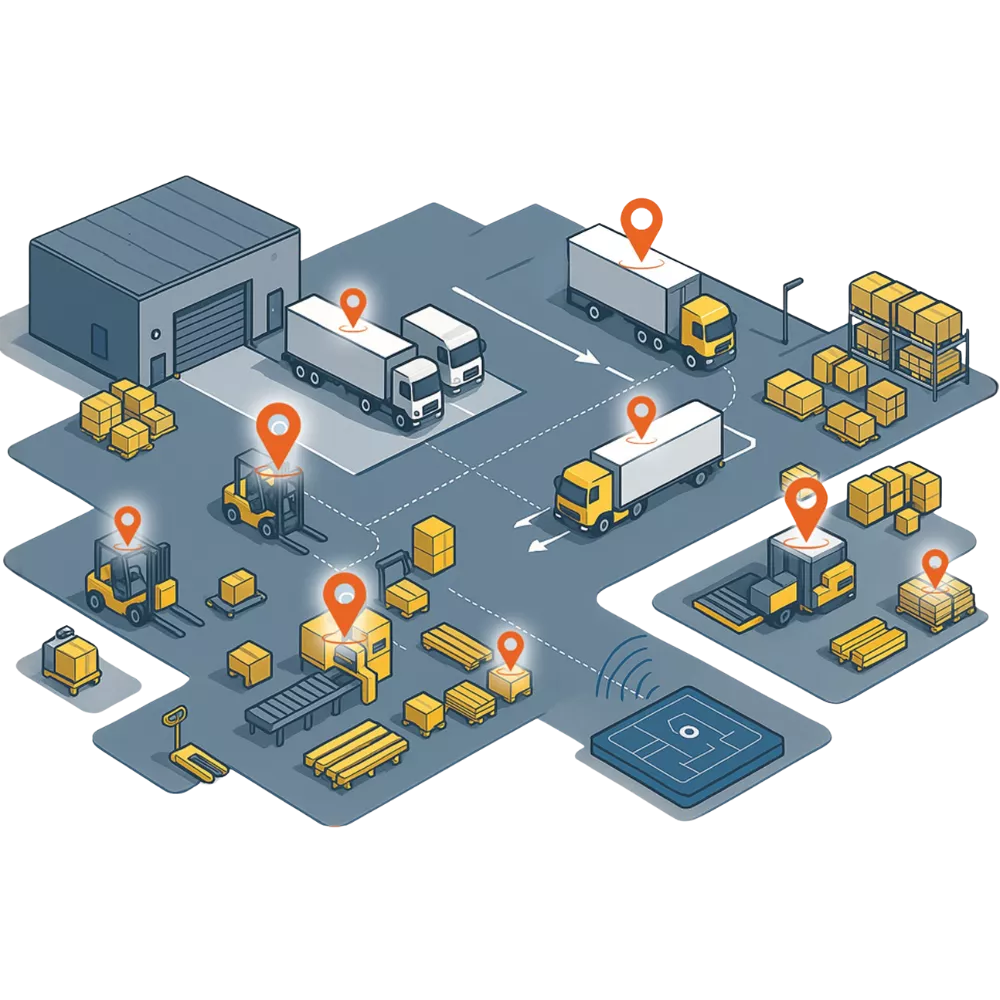
How It Works

GPS Technology Types

Use Cases Across GPS Technologies
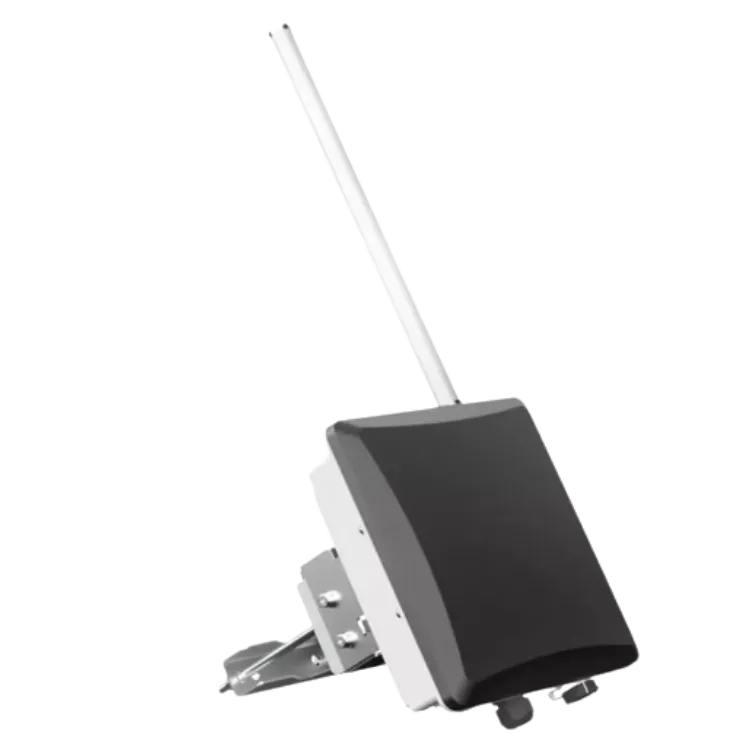
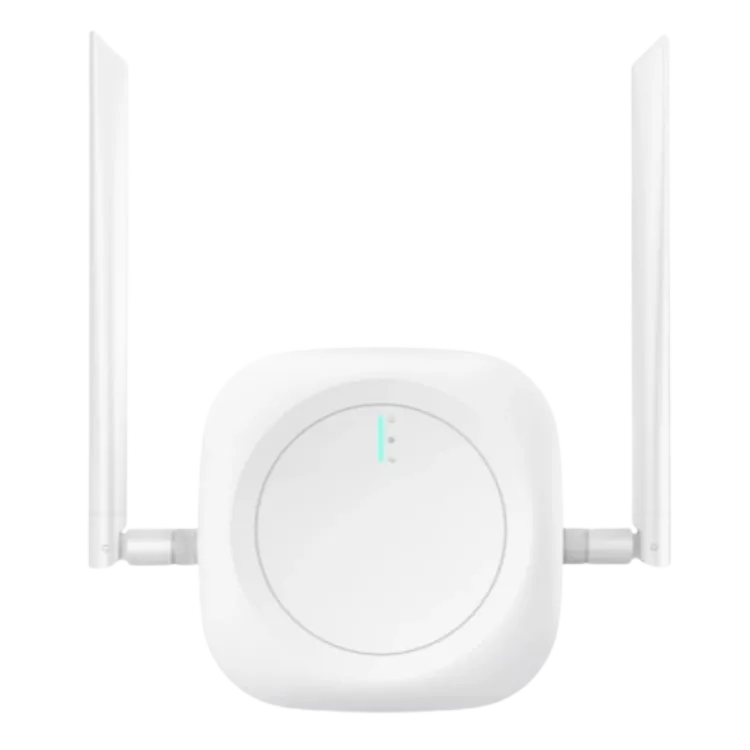
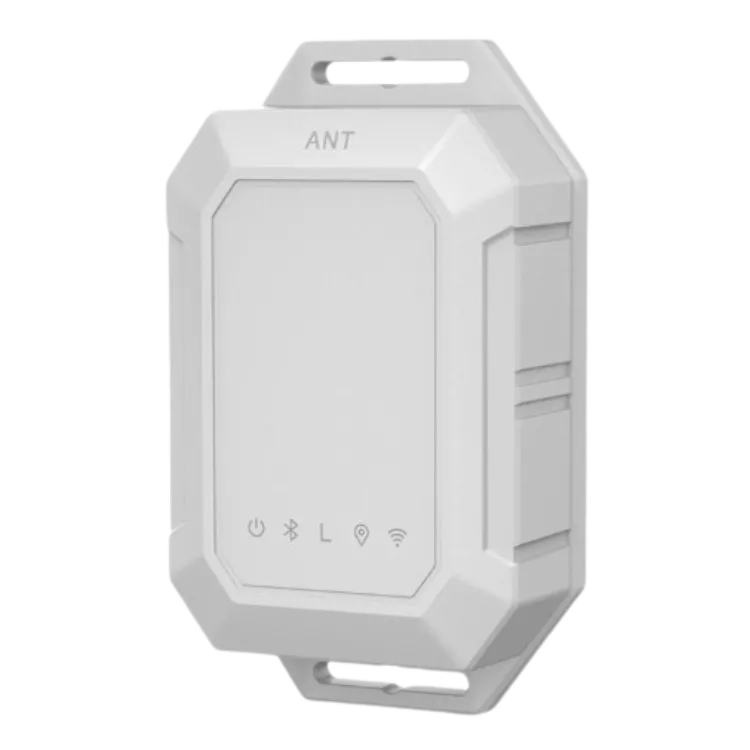
GPS Hardware
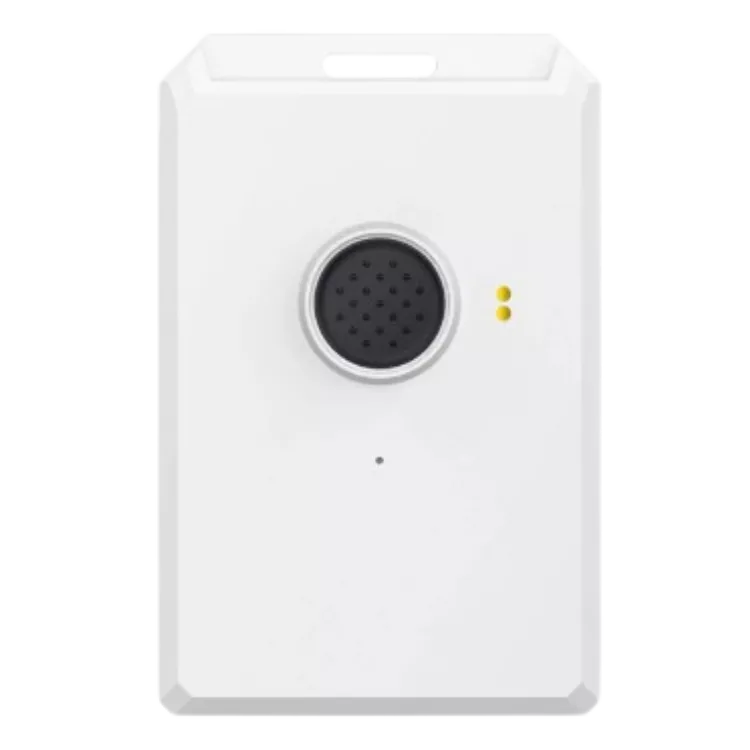
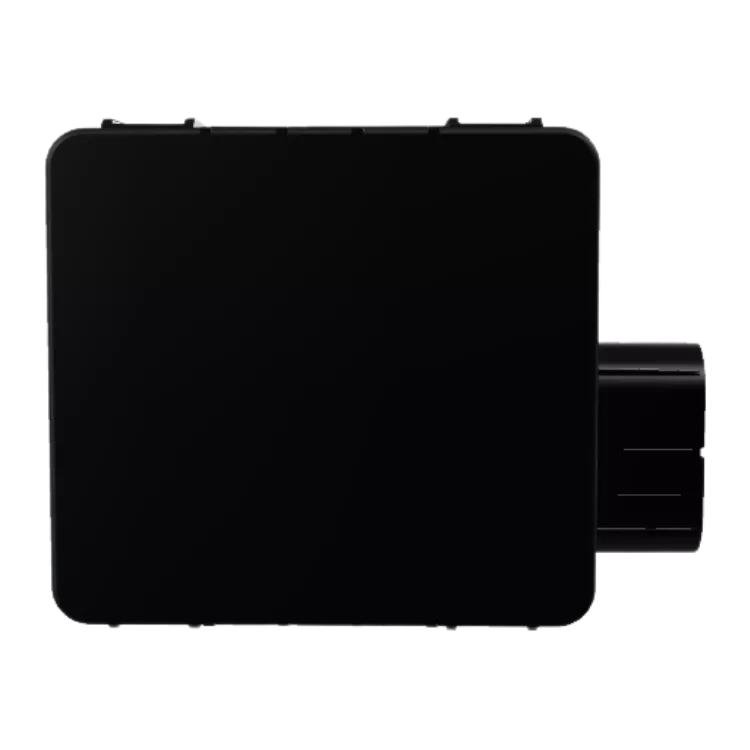
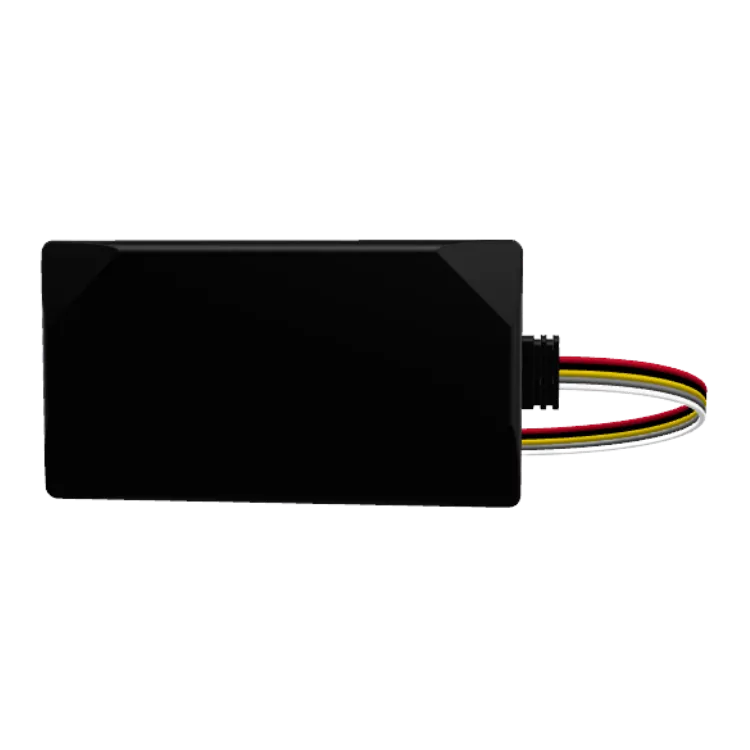
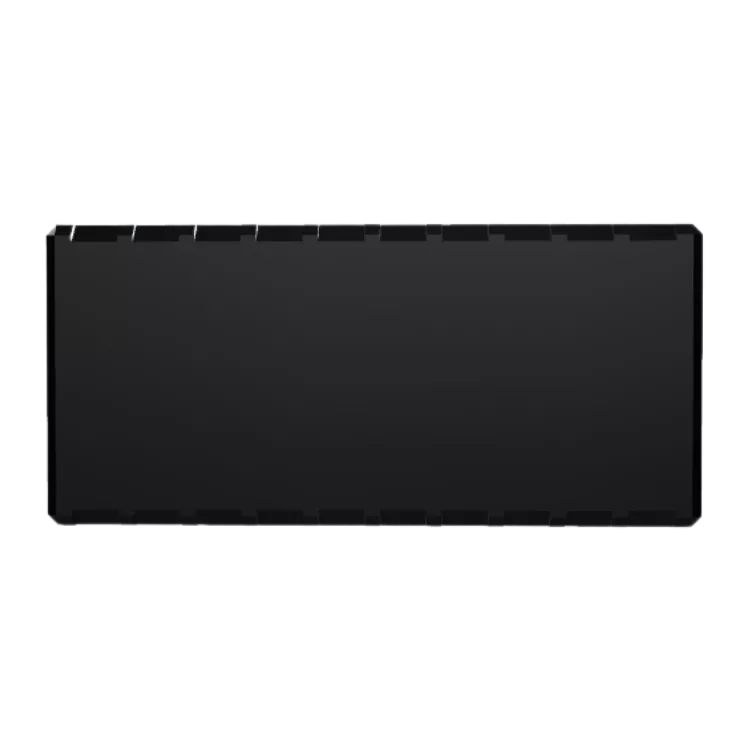
We’re here to answer all your questions
Quick answers to questions you may have.
Best for industrial yards, plants, and large campuses needing wide coverage with low power.
Typically ~5–10 meters, depending on environment and device quality.
LoRa covers several kilometres on-site, while Cellular works across cities and regions.
Depends on configuration — updates can range from seconds to minutes.
Yes, LoRa works well in remote areas without network coverage, while Cellular supports long-distance tracking.
Industries Using GPS Tracking
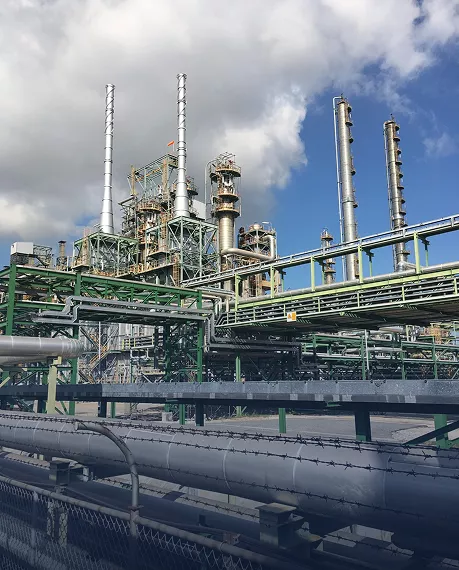
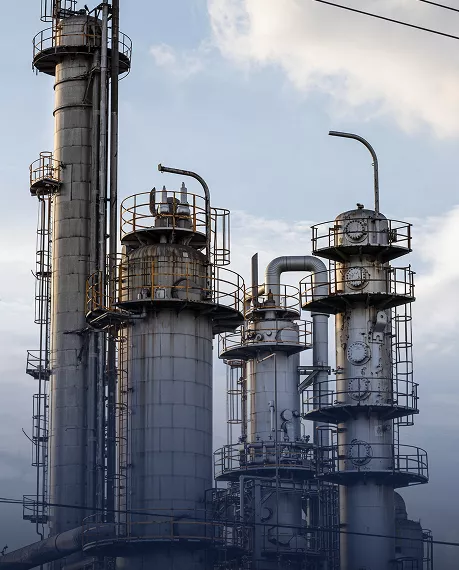
GPS Tracking is ideal for industries that operate large outdoor areas where wide coverage and low-maintenance tracking are essential.


Key Features of GPS Tracking


Get in Touch With Us
Share your details and our team will reach out to you shortly.