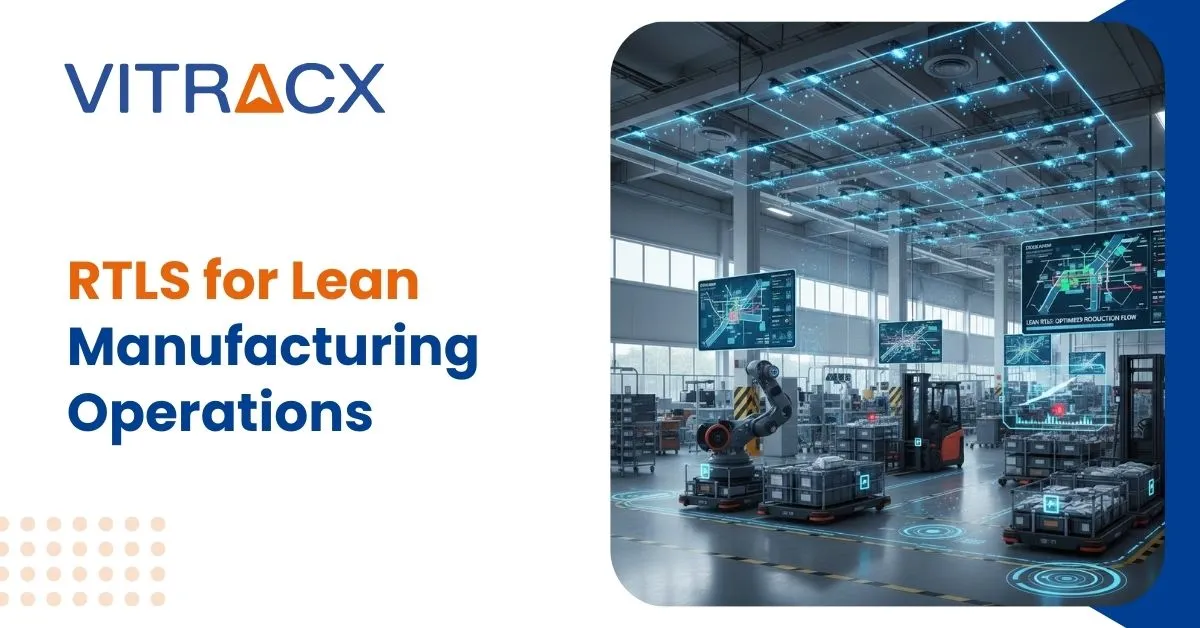
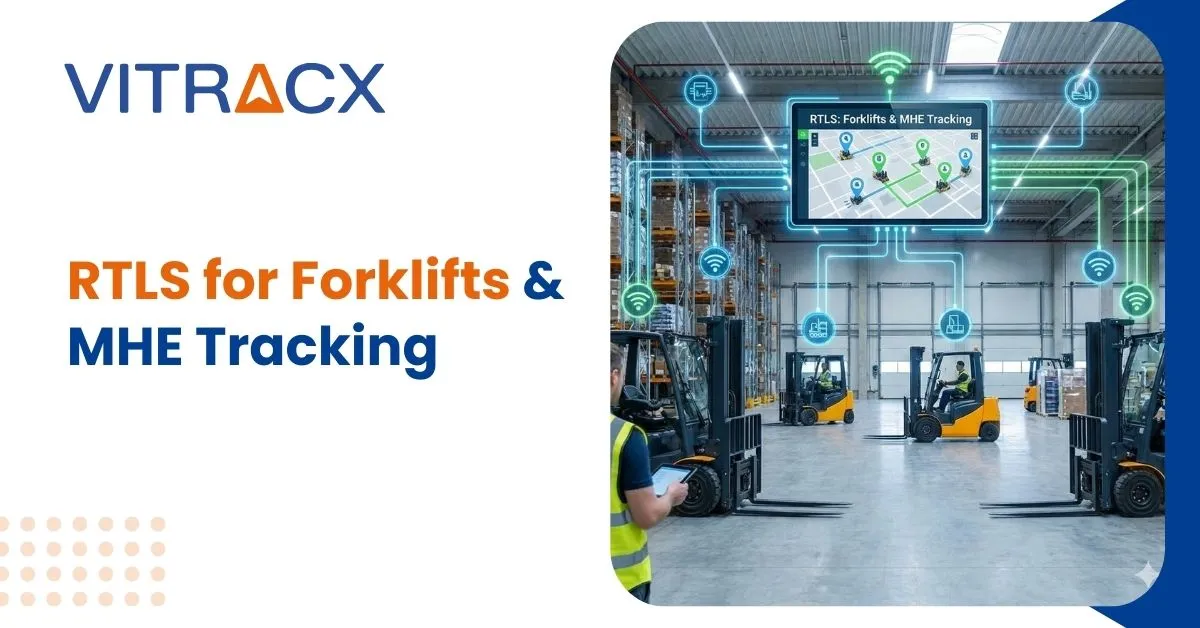
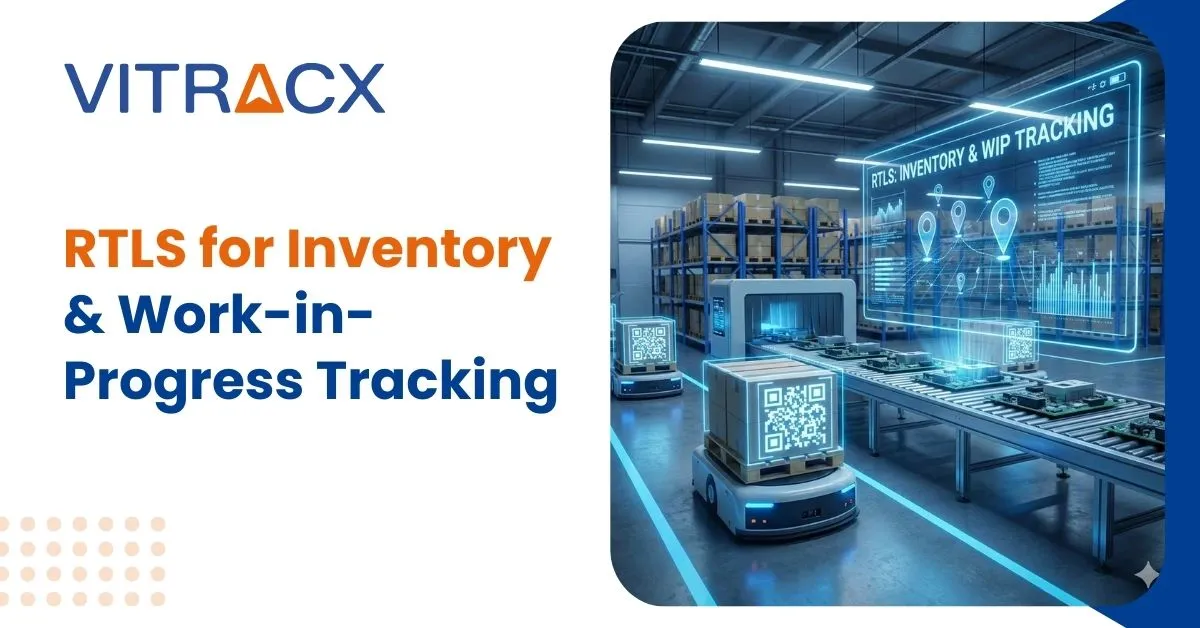
Lean manufacturing focuses on eliminating waste, improving productivity, and maximizing operational efficiency. However, many manufacturers…
Frequently Asked Questions
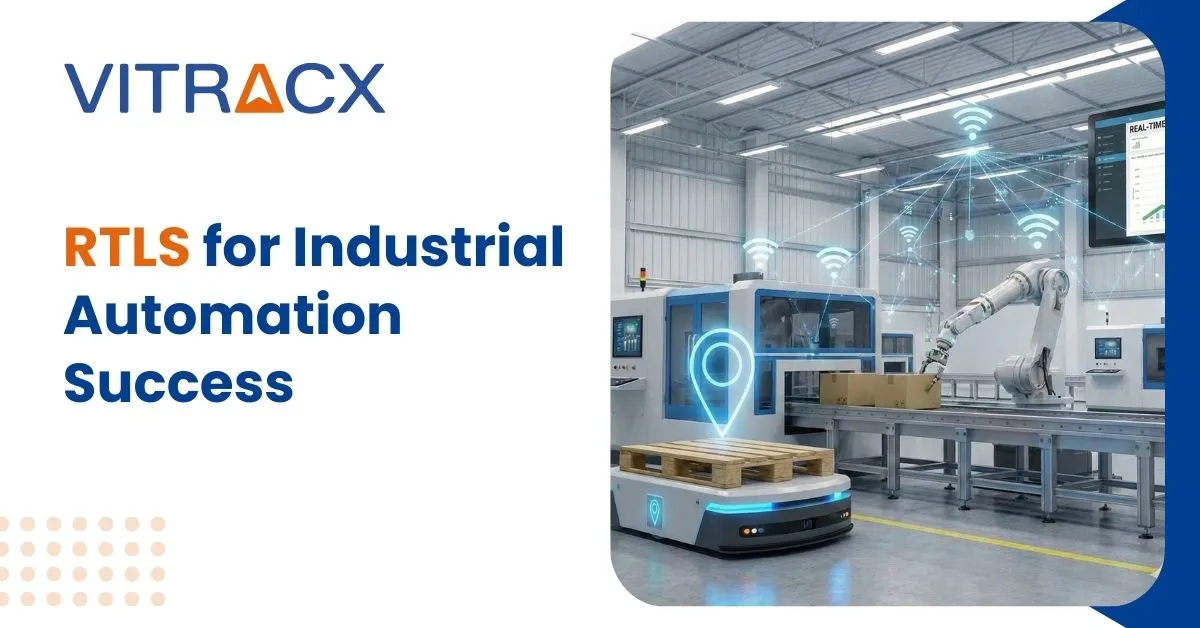
RTLS improves automation by providing live visibility into asset and material movement. A Real Time Location System enables faster decisions, fewer delays, and better workflow control.
Yes. Many RTLS platforms integrate with enterprise systems to automate updates and reporting. A Real Time Location System can send real-time events to production and inventory software.
Manufacturing, automotive, logistics, electronics, healthcare, and heavy industry benefit highly from RTLS because a Real Time Location System improves tracking accuracy and workflow visibility.
Yes, because RTLS doesn’t rely on manual scans. A Real Time Location System updates continuously and reduces human dependency.
Start with high-impact assets like critical tools, pallets, WIP batches, forklifts, or high-value equipment. RTLS delivers faster ROI when a Real Time Location System is focused on high-frequency movement areas.
Conclusion
Industrial automation succeeds when operations are connected, visible, and measurable. Without real-time tracking, even advanced automation tools can fail to deliver full efficiency. That’s why RTLS plays such an important role in modern industries. A Real Time Location System gives you real-time control over assets, inventory, WIP, and movement—so your workflows stay optimized and scalable.
Related Posts