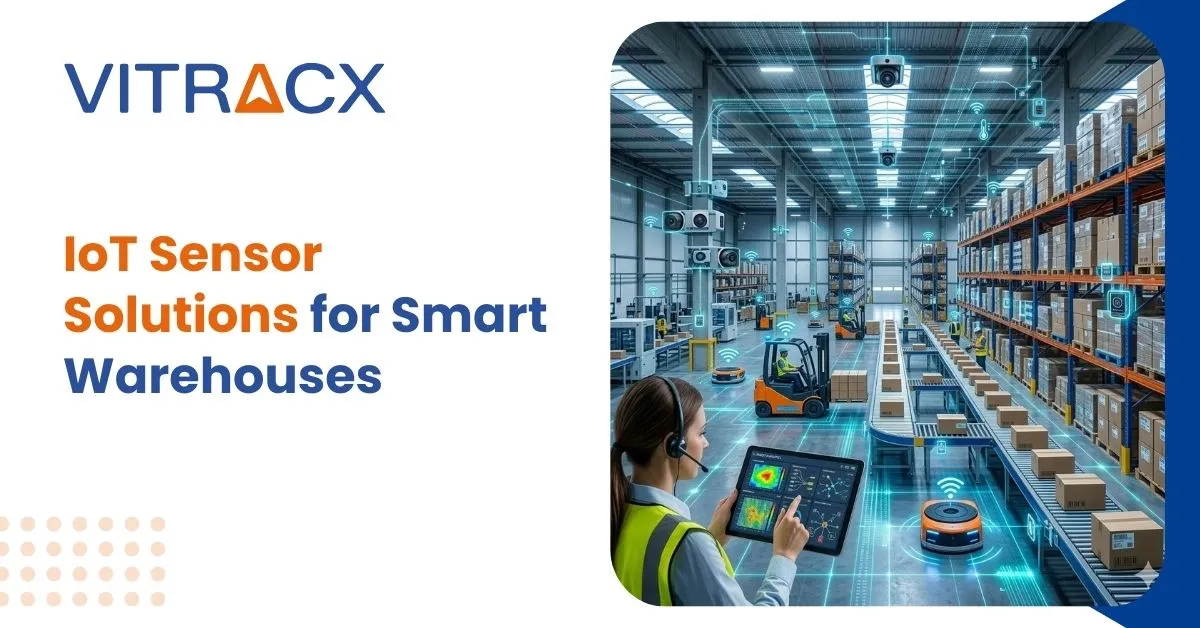
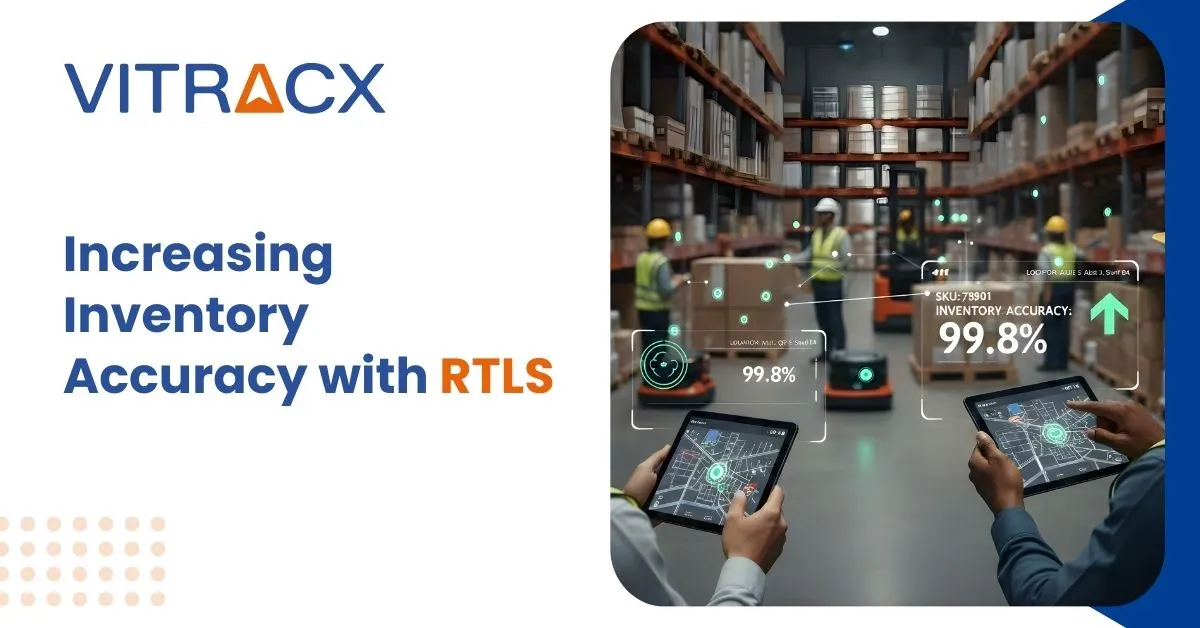
Modern industries rely on real-time tracking technologies to improve asset visibility, operational efficiency, and automation. Two of the most widely used technologies for tracking assets and inventory are RTLS (Real Time Location Systems) and RFID (Radio Frequency Identification).
While both technologies are used for asset tracking, inventory management, and smart warehouse operations, they serve different purposes and offer different capabilities. Understanding the key differences between RTLS vs RFID helps businesses choose the right solution for their operational needs.
In this guide, we explain how RTLS and RFID tracking systems work, their benefits, and when to use each technology in warehouses, manufacturing plants, healthcare facilities, and logistics operations.
What is RTLS?
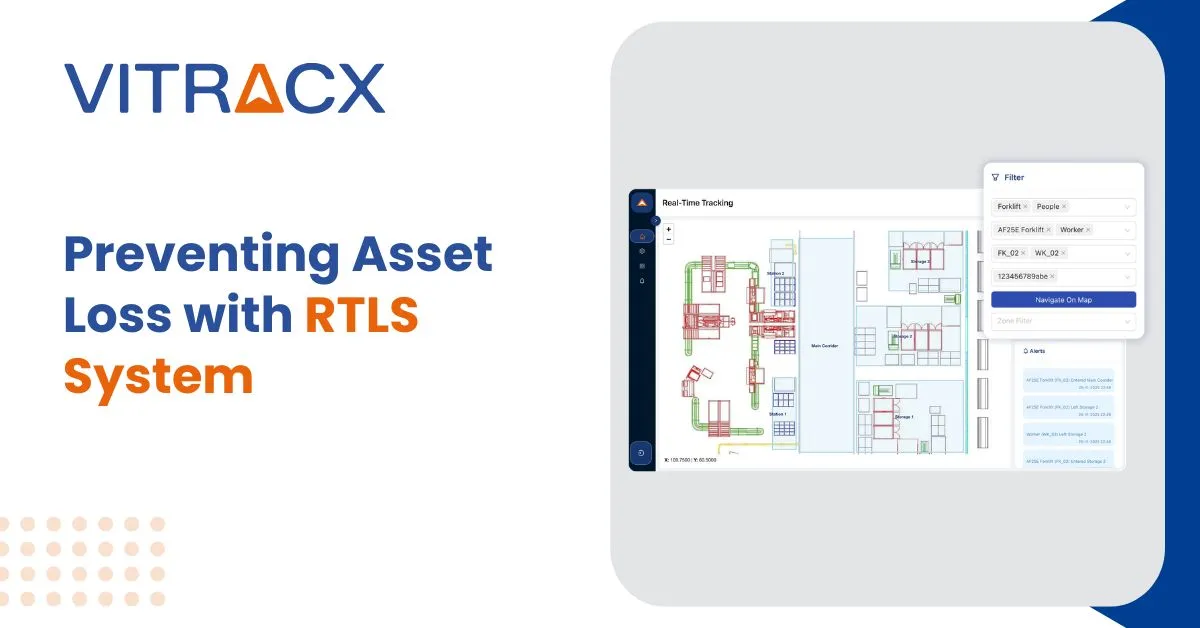
RTLS (Real Time Location System) is a technology used to track the exact real-time location of assets, equipment, vehicles, and people inside a facility.
RTLS systems use technologies such as:
- UWB (Ultra-Wideband)
- BLE (Bluetooth Low Energy)
- Wi-Fi
- IoT sensors
- Indoor positioning systems
These technologies provide continuous real-time tracking, enabling businesses to monitor asset movement and location with high accuracy.
Common RTLS Use Cases
- Real-time asset tracking
- Forklift and vehicle monitoring
- Employee safety alerts
- Work-in-progress tracking
- Warehouse automation
- Smart manufacturing operations
RTLS solutions are widely used in smart factories, warehouses, hospitals, and logistics facilities.
What is RFID?
RFID (Radio Frequency Identification) is a technology that identifies and tracks assets using RFID tags and readers.
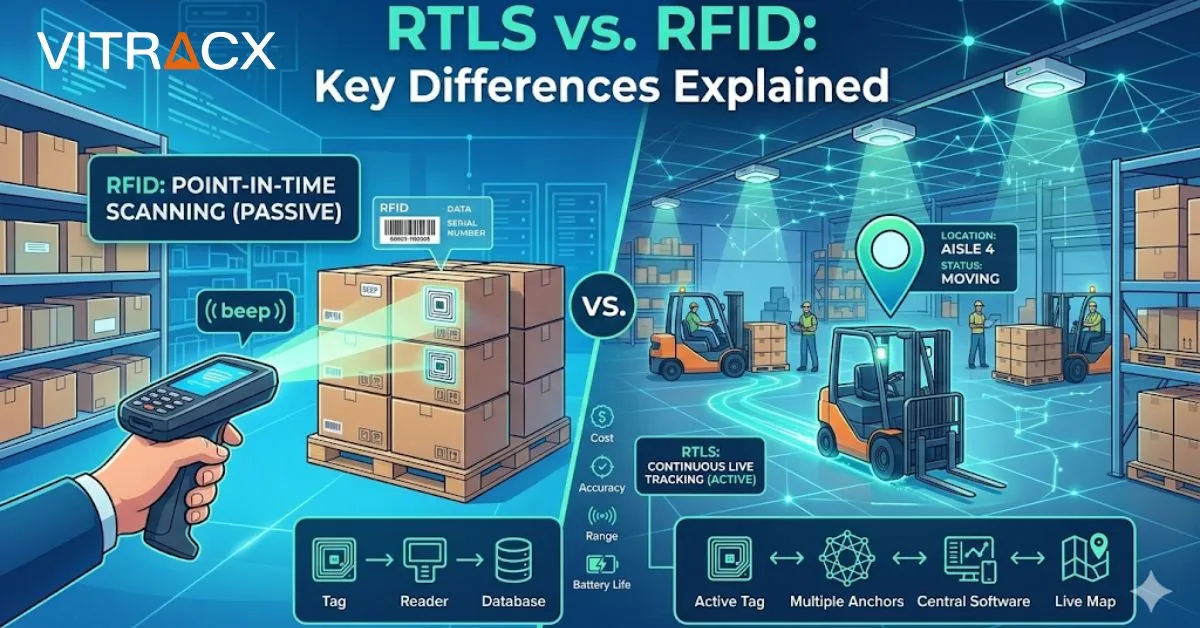
Unlike RTLS, RFID does not always provide continuous location tracking. Instead, it detects assets when they pass through RFID reader zones.
RFID systems typically include:
- RFID tags attached to assets
- RFID readers installed at checkpoints
- Antennas for signal communication
- Asset tracking software
RFID technology is commonly used for inventory management, supply chain tracking, and retail operations.
Common RFID Use Cases
- Inventory tracking
- Tool tracking
- Pallet tracking
- Supply chain monitoring
- Retail stock management
RFID is highly effective for automated identification and bulk asset scanning.
Differences Between RTLS and RFID
Although both technologies are used for asset tracking systems, their capabilities differ significantly.
| Feature |
RTLS |
RFID |
| Tracking Type |
Continuous real-time location |
Event-based detection |
| Accuracy |
High precision tracking |
Zone-level identification |
| Infrastructure |
Anchors, sensors, location engine |
Readers, antennas, RFID tags |
| Visibility |
Real-time asset movement |
Asset presence at checkpoints |
| Automation Level |
Advanced automation |
Basic automation |
| Use Cases |
Worker safety, equipment tracking |
Inventory and asset identification |