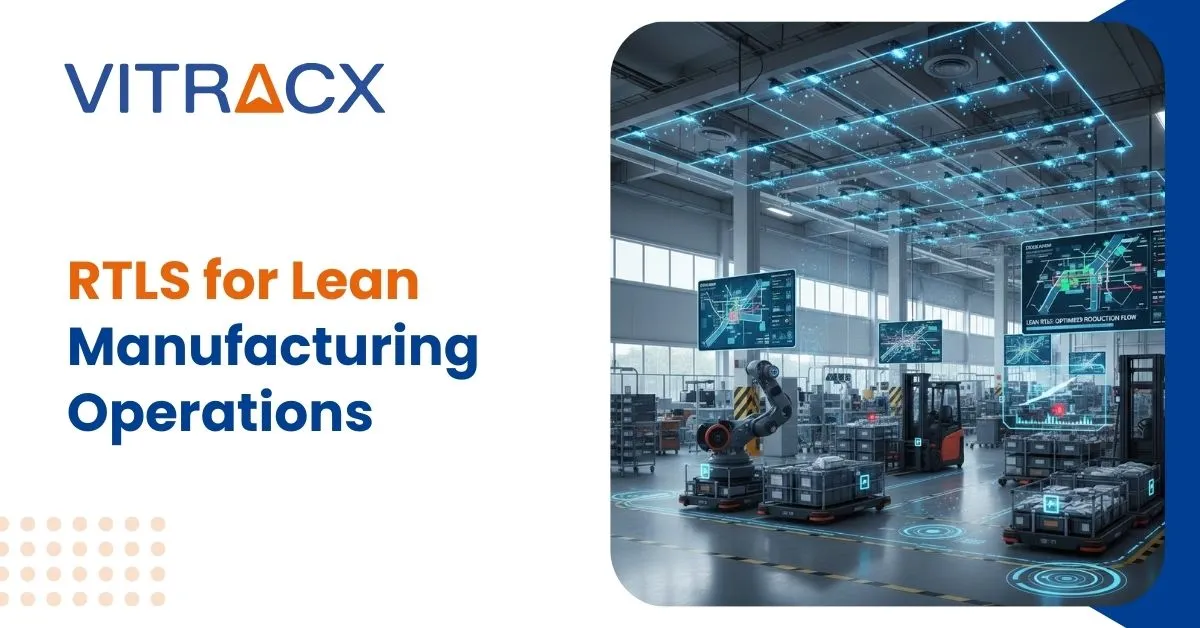
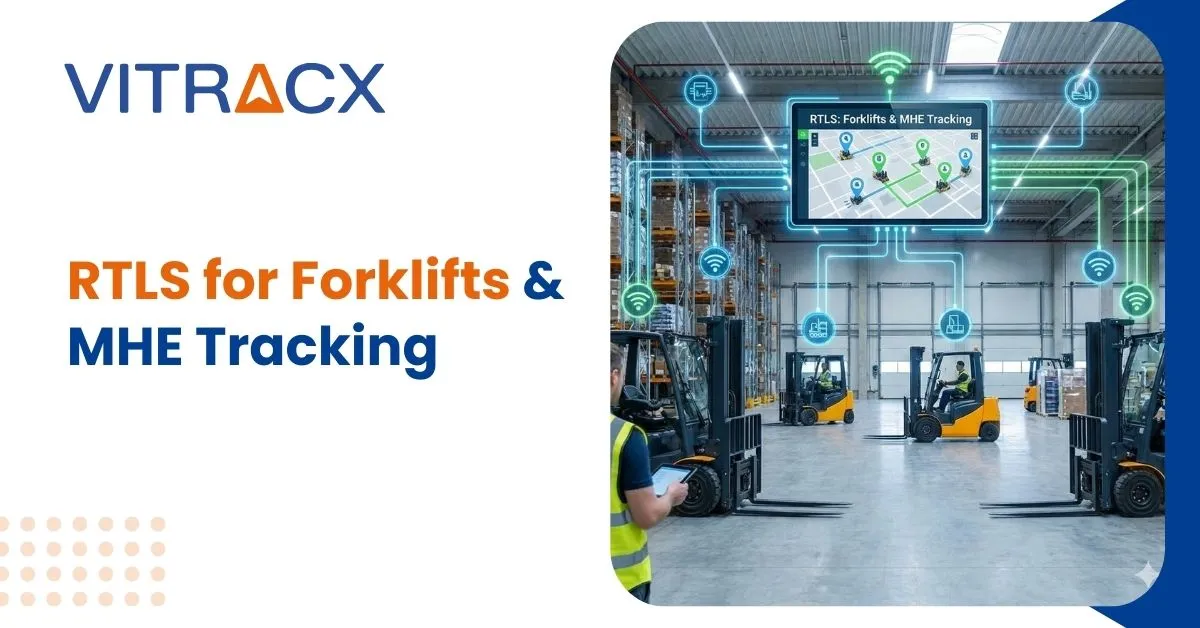
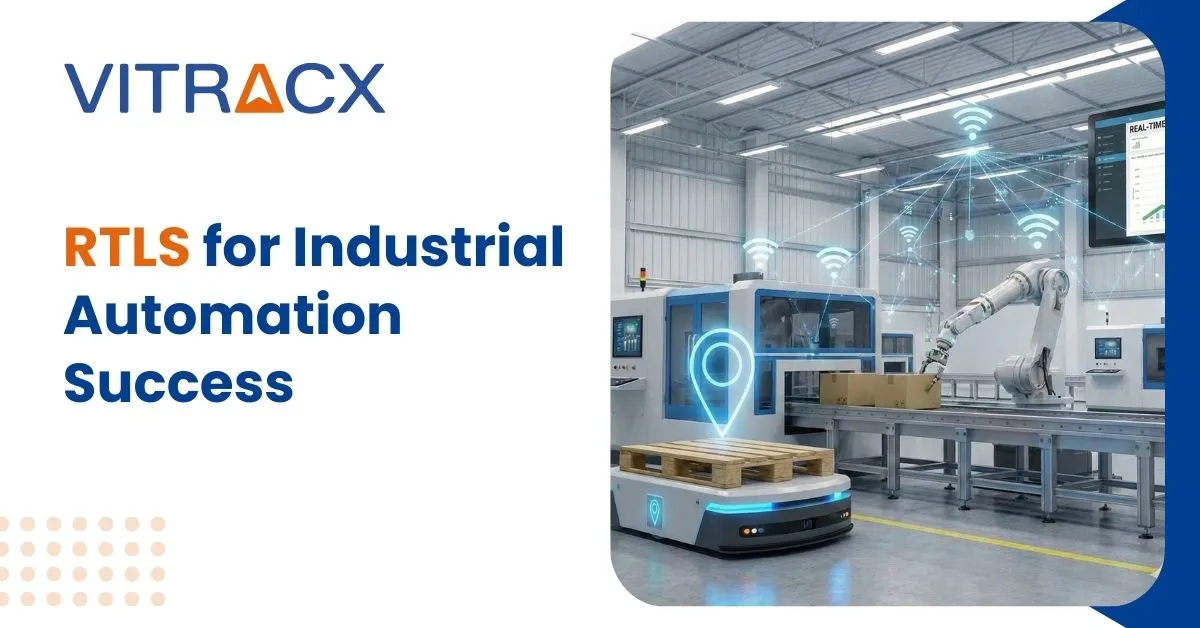
Lean manufacturing focuses on eliminating waste, improving productivity, and maximizing operational efficiency. However, many manufacturers…
Frequently Asked Questions
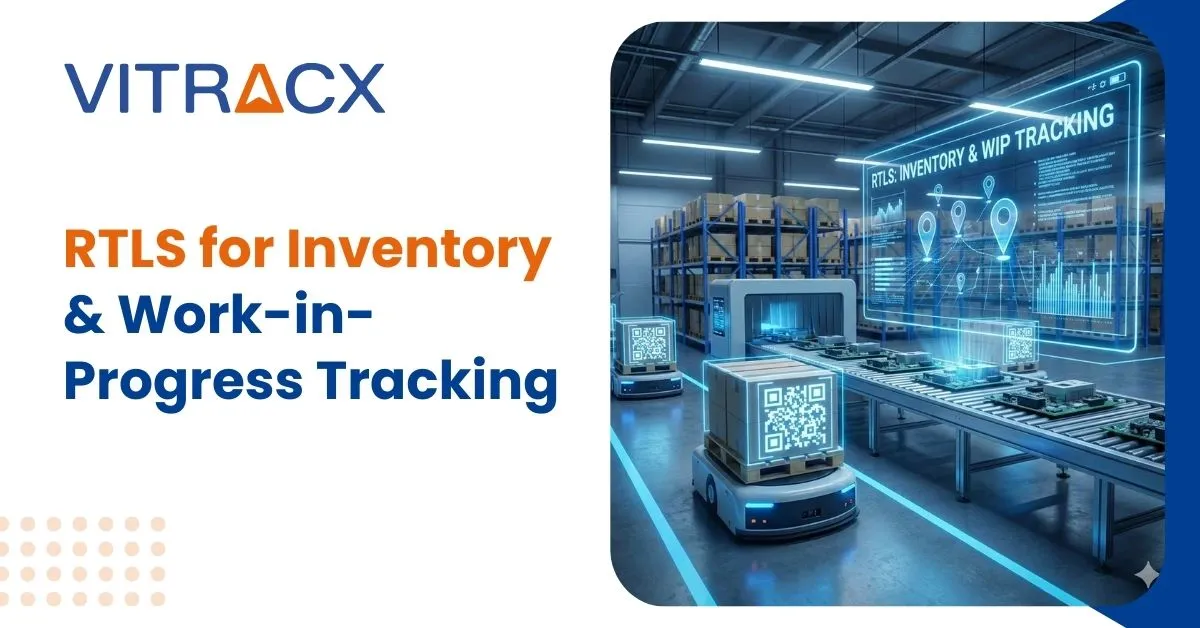
Inventory tracking with RTLS uses real-time location visibility to monitor where items are stored, moved, or used. A Real Time Location System reduces manual searching and improves stock accuracy.
RTLS tracks items through production zones automatically. A Real Time Location System updates workflow progress and highlights bottlenecks or stalled batches in real time.
Yes, because RTLS doesn’t depend on manual scanning. A Real Time Location System delivers continuous updates and reduces missed entries.
Most RTLS platforms integrate with ERP, MES, and WMS tools. A Real Time Location System improves reporting accuracy by sending location-based status updates to business systems.
It depends on the environment and accuracy requirements. Many manufacturers prefer high-accuracy RTLS options like UWB, while others use BLE/RFID based on cost and zone-level tracking needs.
Conclusion
If you’re dealing with misplaced inventory, slow audits, or unclear production progress, you’re not alone. These issues directly impact productivity and profitability—and manual tracking can’t keep up with modern operations. That’s why RTLS is becoming essential for inventory and WIP visibility across industries. With a Real Time Location System, businesses gain live tracking, automated status updates, and operational insights that improve planning and reduce waste.
Related Posts