Modern factories and warehouses depend heavily on material movement. Forklifts are the backbone of this movement, yet many organizations still track them through manual logs, radio calls, or assumption-based workflows. These outdated processes result in delays, safety challenges, and inefficiencies that restrict productivity.
With Industry, Digital Transformation, and IIoT Solutions reshaping the industrial landscape, forklift tracking powered by Real Time Locating System (RTLS), RFID, and IoT technologies has become essential.
Vitracx, a trusted provider of RTLS, RFID, and IoT-based industrial automation, enables enterprises to gain complete visibility of forklift movement from shop floor to warehouse.
What Is Forklift Tracking?
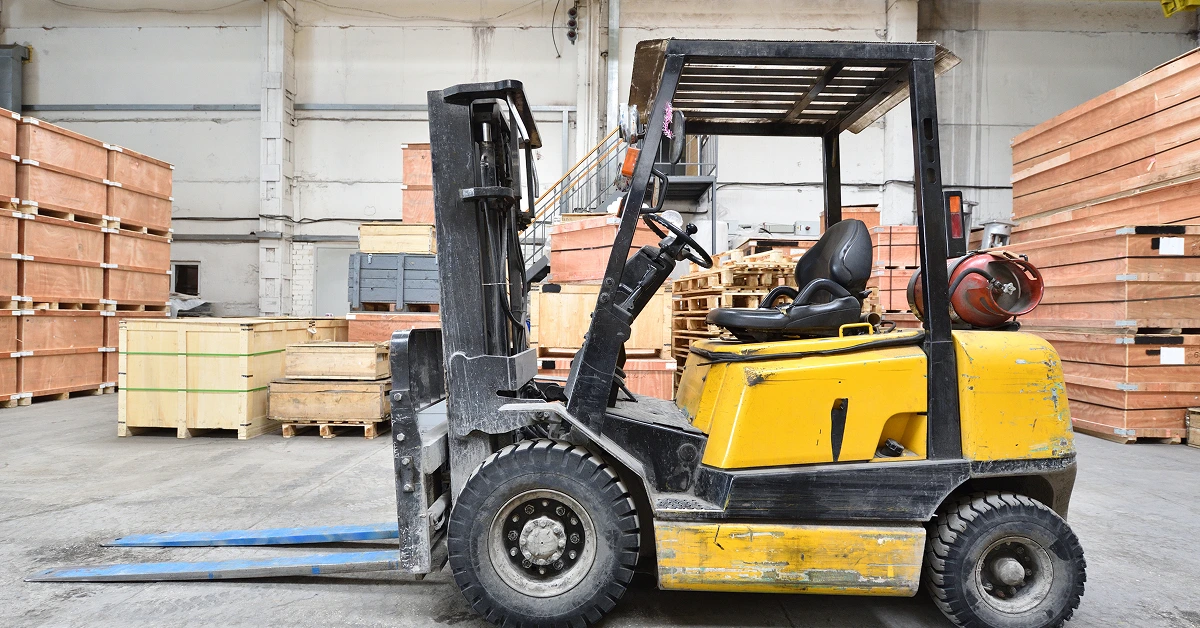
Forklift tracking is the digital method of monitoring forklift location, status, and movement using technologies such as RTLS (UWB / BLE / GPS + LoRa), RFID, and IoT sensors. Unlike manual tracking, this approach delivers real-time visibility, automated logs, and intelligent analytics.
Forklift tracking helps answer questions like:
- Where is the nearest available forklift?
- Which forklift is idle or overloaded?
- Is the forklift entering a restricted zone?
- How efficiently is material moving across the facility?
Why traditional tracking fails
Manual updates are slow and unreliable. Operators may forget to record movements, and supervisors often lack real-time visibility. As a result, delays grow, safety risks rise, and productivity declines—especially in fast-paced operations.
Why Forklift Tracking Matters for Shop Floor and Warehouse Operations
Forklift tracking enhances not only movement but the entire flow of material. Its impact is visible across daily operations, safety, and long-term planning.
Operational Efficiency
Real-time information ensures forklifts are used efficiently. Operators spend less time searching for materials or equipment, and supervisors can balance workload distribution instantly.
Safety & Compliance
Accidents involving forklifts are common in industrial environments. Location-based alerts, speed monitoring, and collision-avoidance warnings help create safer shop floors and warehouse aisles.
Material Flow Visibility
Knowing where every pallet, trolley, or container is located reduces search time and ensures smoother WIP and Finished Goods movement. Forklift tracking directly improves Asset Tracking, Tool Tracking, and People Tracking outcomes.
The Technologies Powering Modern Forklift Tracking
Different facilities require different technologies. Vitracx integrates multiple systems to deliver the right balance of accuracy, range, and cost.
RFID — Reliable Identification and Automation
RFID tags allow forklifts to read pallet or container IDs automatically. This makes check-in/out, inventory counting, and workflow validation seamless. It is ideal for choke-points and automated verification steps.
RTLS — Real-Time Location Intelligence
RTLS forms the core of high-precision forklift tracking.
UWB (Ultra-Wideband)
- Extremely accurate (10–30 cm)
- Works well in metal-heavy factories
- Supports collision avoidance and path optimization
BLE (AoA / RSSI)
BLE AoA delivers sub-meter accuracy suited for indoor forklift tracking.
BLE RSSI, though less precise, is cost-effective for warehouses and large commercial spaces.
GPS + LoRa — Ideal for Outdoor or Large Campuses
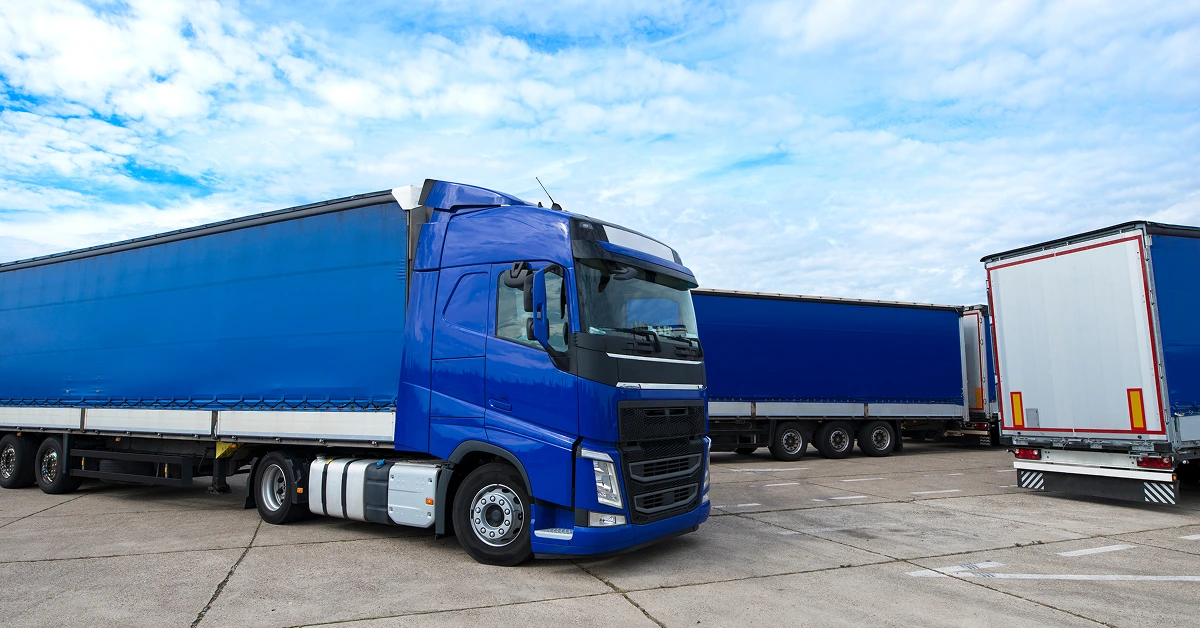
GPS + LoRa extends forklift visibility all the way to yards, loading bays, and outdoor storage areas, especially where range matters more than accuracy.
IoT Sensors — Monitoring Forklift Health and Behavior
IoT sensors capture additional insights:
- Sudden impacts
- Speed fluctuations
- Overloading
- Abnormal vibrations
These indicators help with preventive maintenance and safety management.