
UWB (Ultra-Wideband)
Achieve <30 cm accuracy for high-value asset and personnel monitoring in sensitive industrial zones. Designed for environments where precision is critical, including metal-rich manufacturing units, assembly lines, and complex production floors.
Overview — What is UWB?
Ultra-Wideband (UWB) is a high-frequency radio technology designed for ultra-precise indoor positioning. By transmitting very short pulses across a wide frequency spectrum, UWB enables centimetre-level accuracy, Making it ideal for environments where exact positioning is critical, such as manufacturing, especially in high-metallic environments.
How it works
UWB tags send short-duration radio pulses to anchors/gateways. The system measures Time of Flight (ToF) or Time Difference of Arrival (TDoA) between multiple gateways to calculate tag position. The wide bandwidth reduces interference and multipath errors, ensuring extremely accurate and stable tracking.
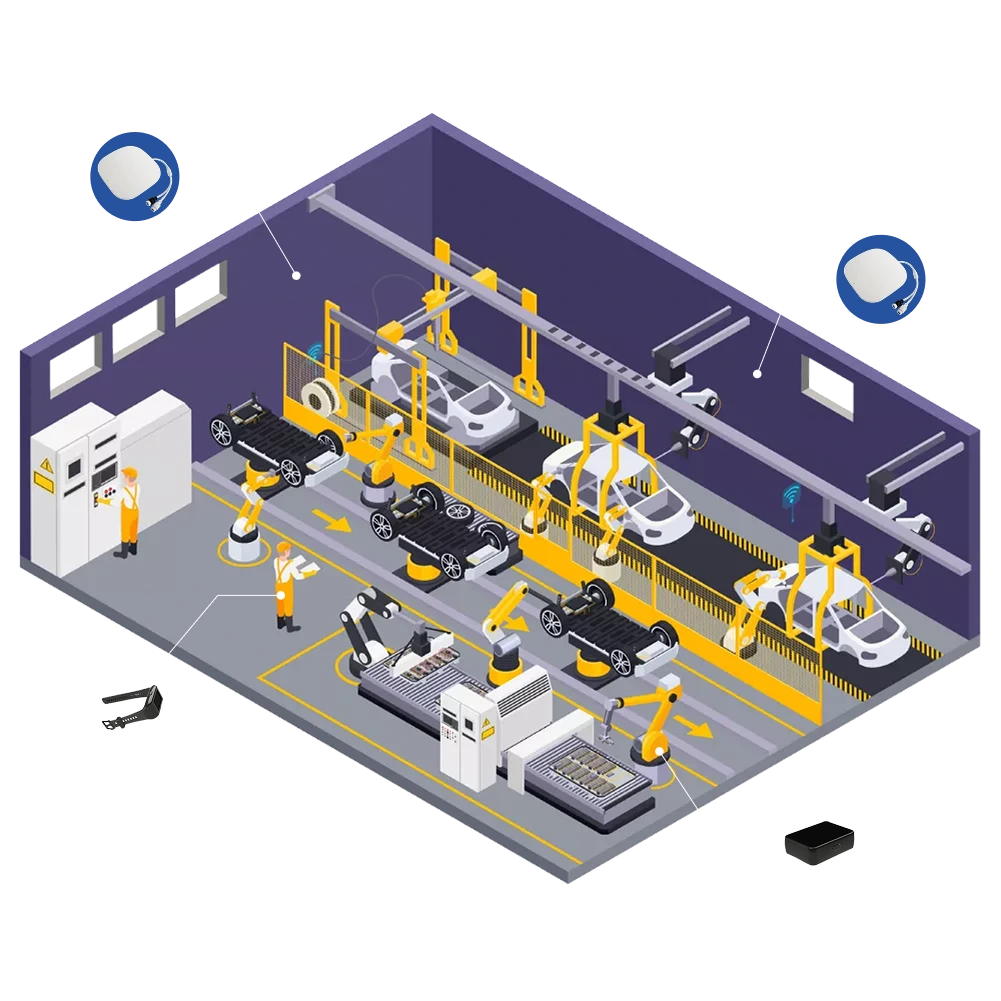
Use Cases of UWB

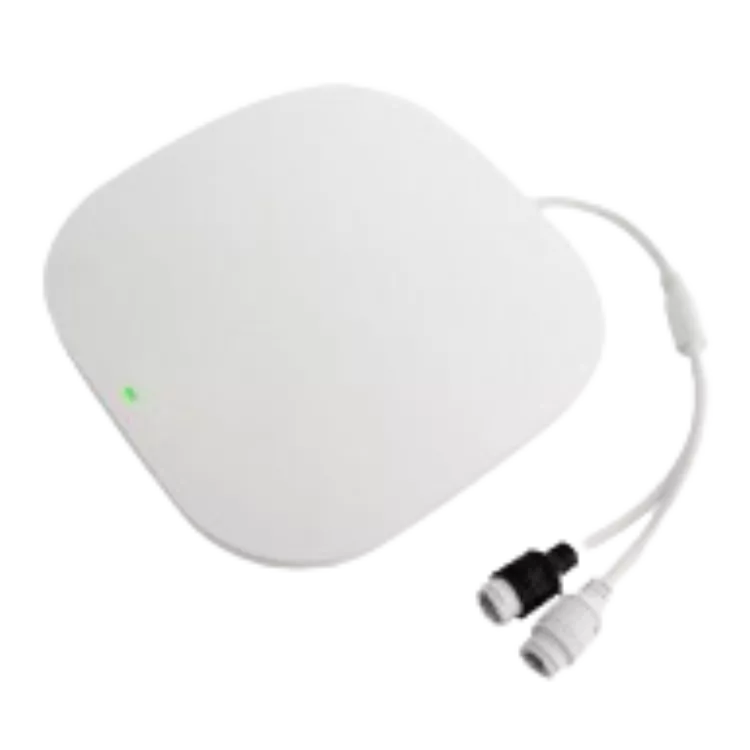
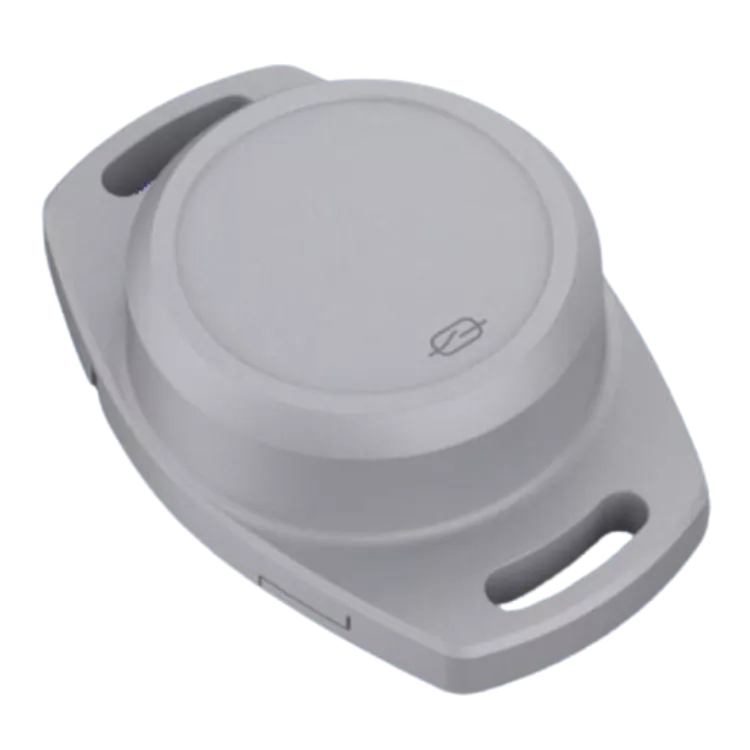
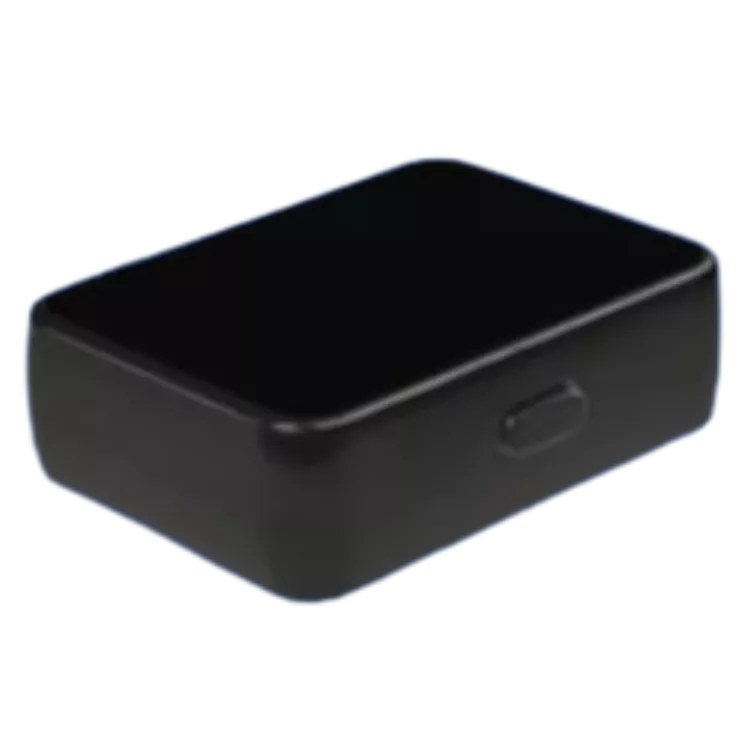
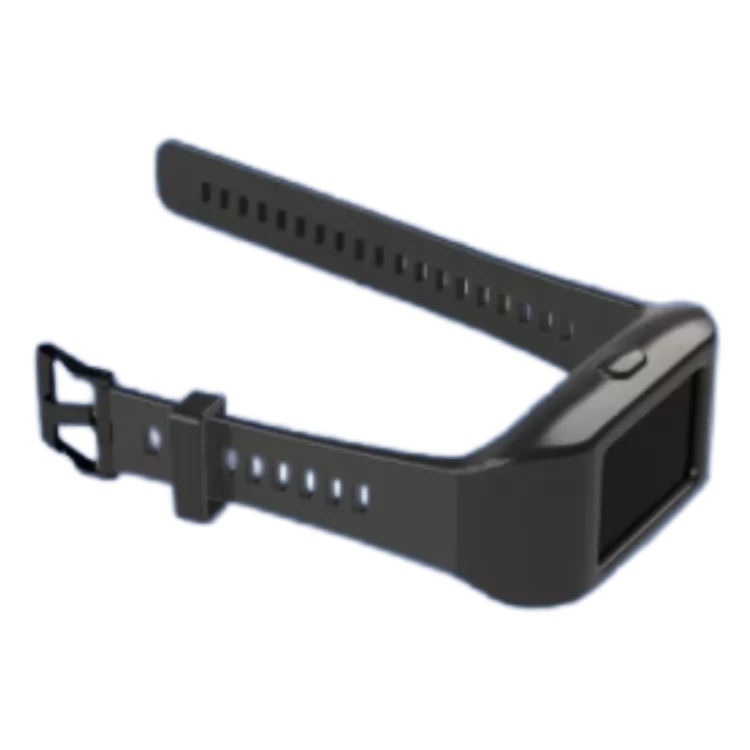
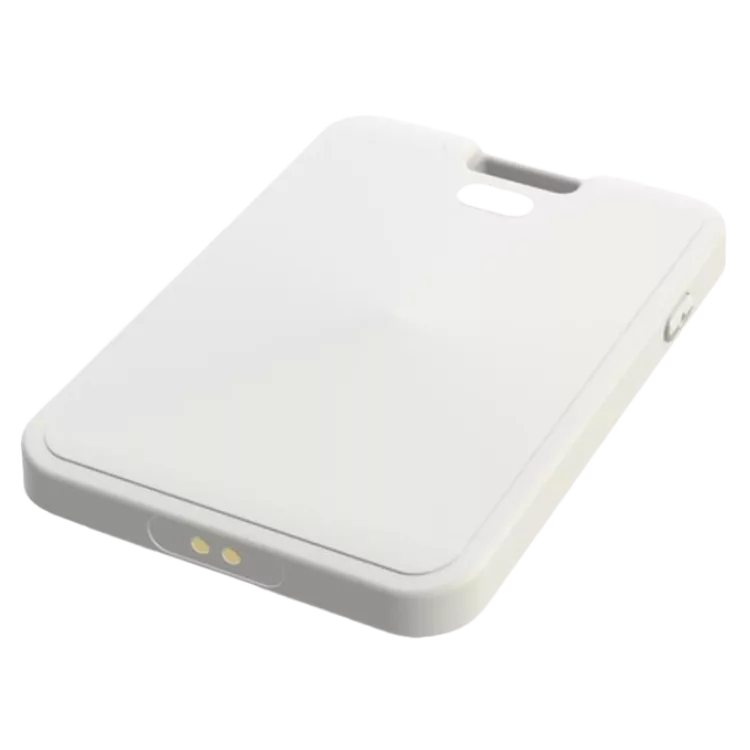
UWB Hardware
We’re here to answer all your questions
Quick answers to questions you may have.
UWB typically provides 10–30 cm accuracy in real-world environments, significantly more precise than BLE-based solutions. Actual accuracy may vary based on device spacing, environment, and line of sight.
UWB is particularly suitable for high-metal, industrial environments such as manufacturing plants, warehouses, and logistics facilities. It delivers reliable, high accuracy tracking even in complex layouts with machinery, racks, and metallic structures, where other RF technologies typically struggle.
UWB is best suited for industrial environments that demand high-accuracy tracking, especially manufacturing, warehousing, logistics, and automotive. It is ideal for applications such as asset and WIP tracking, forklift and vehicle guidance, worker safety, collision avoidance, and process automation in high-metal and RF-challenging facilities.
A UWB RTLS consists of UWB anchors (fixed receivers) installed across the facility and UWB tags attached to assets or people. Anchors are typically mounted at 10–30 meters spacing, depending on accuracy requirements, layout, and use case. UWB positioning is based on the Time of Flight (ToF) principle.
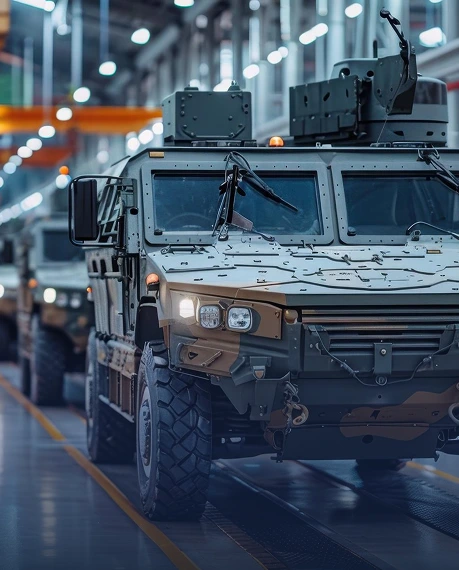
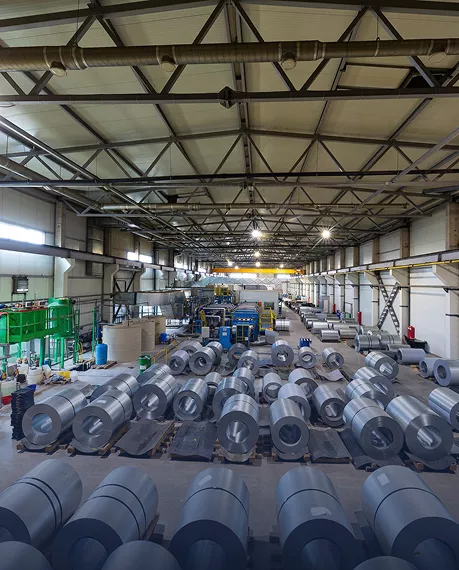
Industries Using UWB
UWB enhances operational visibility and accuracy in high-value, fast-moving industrial setups.




Key Features of UWB


Get in Touch With Us
Ready to enhance your operational precision with UWB?