
Overview — What is BLE RSSI?
Bluetooth Low Energy — Received Signal Strength Indicator (BLE RSSI) is a positioning technique that estimates location based on the signal strength of BLE transmissions. By analyzing how strong or weak the signal is at different gateways, the system calculates the approximate distance to each gateway and derives a location estimate. BLE RSSI offers room-level accuracy, making it suitable for cost-sensitive tracking needs.
How BLE AoA Works
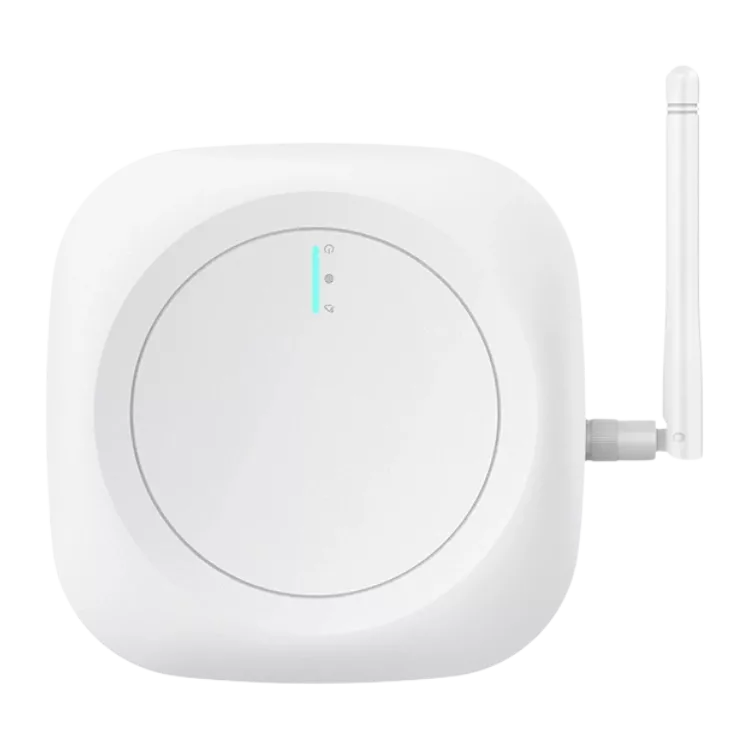
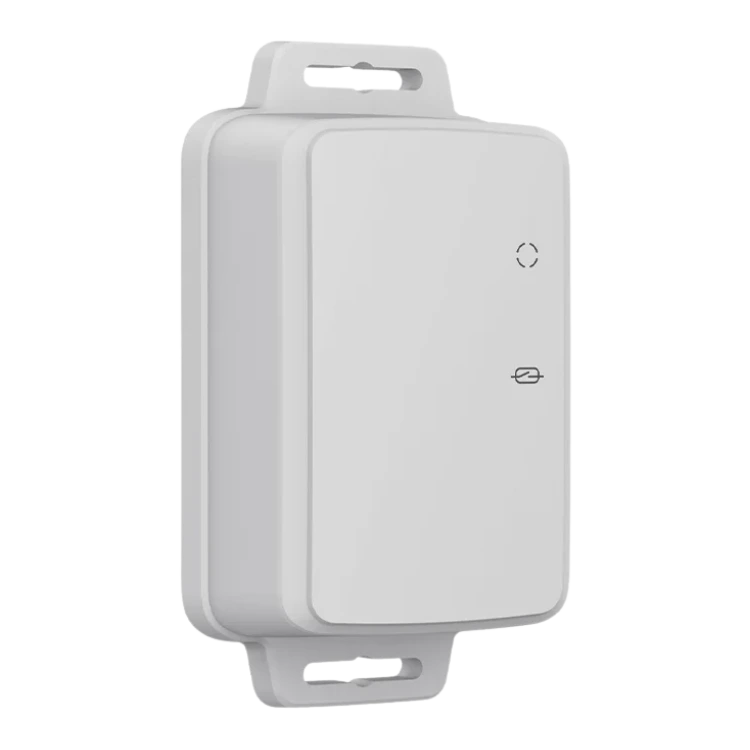
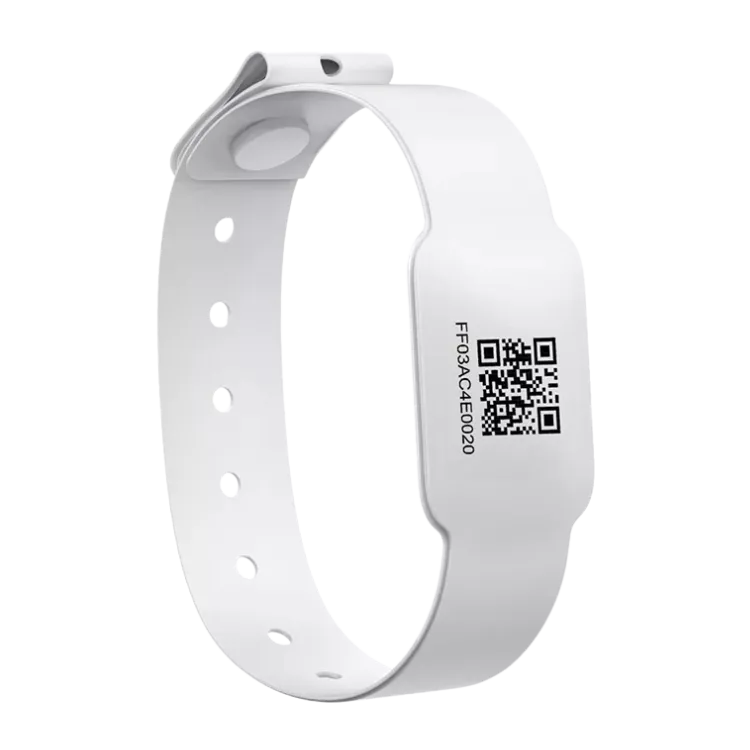
BLE tags periodically broadcast packets. Gateways capture these packets and measure the RSSI value (signal strength). The backend system uses trilateration or proximity algorithms to estimate tag position. This technology is ideal for tracking applications in hospitals, offices, and similar indoor facilities.

Use Cases of BLE RSSI

BLE RSSI Hardware


We’re here to answer all your questions
Quick answers to questions you may have.
RSSI gives coarse, metre-level accuracy — typically several metres (commonly 2–10 m) depending on environment and tuning. It’s suitable for zone-level locating rather than precise coordinates.
BLE RSSI is widely used in hospitals for tracking equipment, staff, and patients at a zone level, and in smart offices for workspace utilization and movement monitoring. It is ideal wherever zone-level visibility is sufficient rather than precise location accuracy.
Industries Using BLE RSSI
BLE RSSI supports essential indoor tracking needs across these environments.




Key Features of BLE RSSI


Get in Touch With Us
Ready to deploy BLE RSSI tracking? Get in touch with our experts.